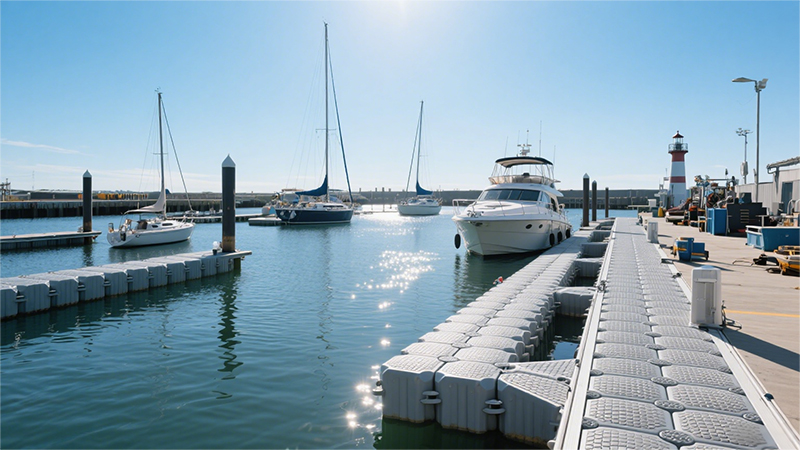

Views: 0 Author: Site Editor Publish Time: 2026-03-27 Origin: Site


You want the best floating pontoon for your dock. Aluminum floating pontoon does not rust easily, so it is good for saltwater. Concrete floating pontoon is very stable and strong. It is great if you need to hold bigger boats. You should think about durability, maintenance, cost, and the environment. Each material is best for certain uses.
Aluminum pontoons are light and simple to put in. They are great for fast setups.
Concrete pontoons are very stable and last a long time. They are good for big boats and rough water.
Think about where you will use them. Aluminum is good in saltwater. Concrete is better if you want it to stay for a long time.
Both types do not need much care. But checking them often can help them last longer.
Spend your money carefully. Aluminum costs less at first. But concrete can save you money later because it lasts longer.
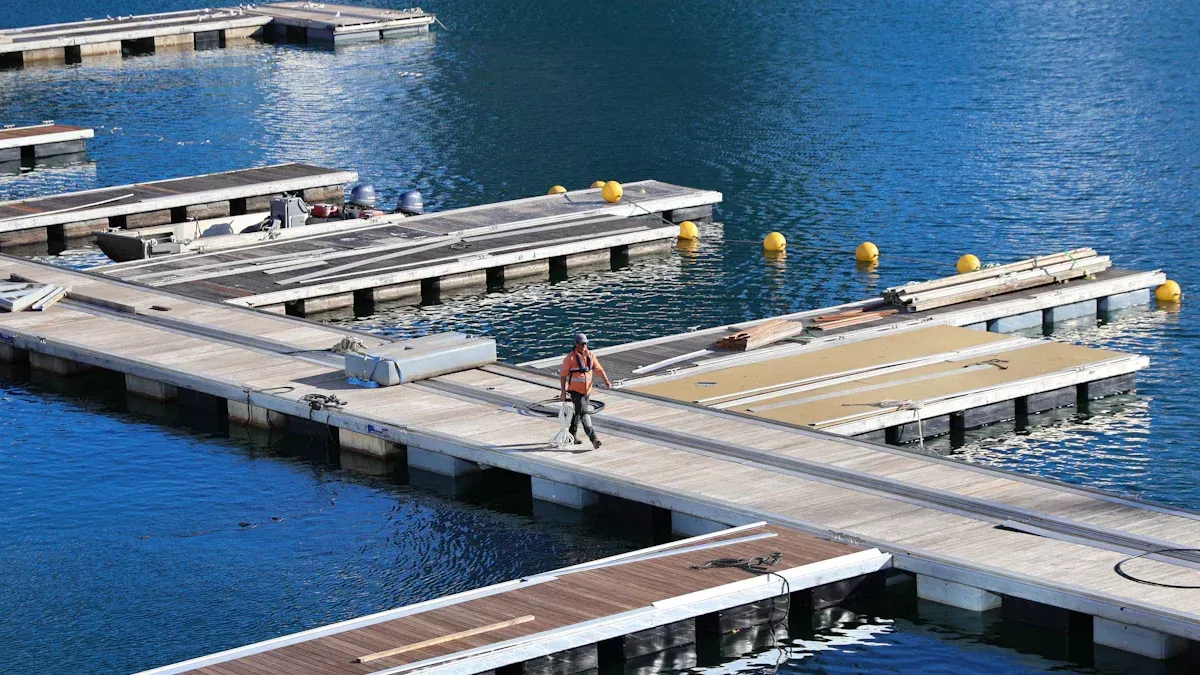
When picking a floating pontoon, you want it to last long. Aluminum pontoons can last from 15 to 30 years. Concrete pontoons last even longer, often over 30 years. You can see the difference in this table:
Type of Pontoon | Average Lifespan |
|---|---|
Aluminum | 15–30 years |
Concrete | Exceeds 30 years |
Aluminum does not rust and works well in saltwater. Concrete is strong and handles tough weather and heavy use. If you want a pontoon for many years, concrete lasts longer before you need a new one.
You want your floating pontoon to stay nice with little work. Both aluminum and concrete need some care, but not a lot. Here are the main things you should do:
Clean the surface to stop marine growth and oxidation.
Check for corrosion, especially in saltwater.
Change sacrificial anodes on aluminum pontoons to stop corrosion.
Look at welds on aluminum for cracks.
Maintenance Procedure | Description |
|---|---|
Inspection for galvanic corrosion | Check for corrosion, especially in saltwater. |
Replacement of sacrificial anodes | Change zinc or magnesium anodes on aluminum pontoons. |
Checking welds for stress cracks | Look for cracks in welds, especially in high-stress spots. |
Regular cleaning | Remove marine growth and oxidation to keep the pontoon looking good and working well. |
You do not need to spend much time on care, but regular checks help your pontoon last longer.
The price of a floating pontoon depends on what it is made of. Aluminum pontoons usually cost $8 to $15 for each square foot. Concrete pontoons cost more, about $150 to $300 for each linear foot. Here is a quick look:
Type of Pontoon | Cost per Unit |
|---|---|
Aluminum | $8 to $15 per square foot |
Concrete | $150 to $300 per linear foot |
Aluminum pontoons cost less at first. Concrete pontoons cost more, but they last longer and need fewer repairs later.
You may want to know how easy it is to put in your floating pontoon. Aluminum pontoons are much lighter than concrete ones. This makes them easier to move and set up. You can often install an aluminum pontoon without big machines. Concrete pontoons are heavy and need cranes or barges to install. This makes the job harder and costs more.
Aluminum pontoons are light and easy to move.
You can install aluminum pontoons with simple tools.
Concrete pontoons are heavy and need special machines.
Concrete pontoons take more time and money to put in.
If you want a fast and easy setup, aluminum is a better choice.
You should pick a floating pontoon that fits your area. Aluminum pontoons work well in saltwater and places where you move the dock. Concrete pontoons are best for docks that stay in one place and places with strong weather or big boats.
Material | Recommended Use | Lifespan | Maintenance | Corrosion Resistance |
|---|---|---|---|---|
Aluminum | Mobile docks, marine environments | 30–40 years | Low | Excellent (saltwater, corrosion) |
Concrete | Commercial docks, permanent installations | 50+ years | Low | Excellent (weather, UV, marine) |
Tip: If you live where there are hurricanes or freezing weather, both types of floating pontoon can rise with water and take wave hits. This helps keep your dock safe from damage.
You should think about your water, weather, and how you will use your dock before you choose.
You get many benefits when you choose an aluminum floating pontoon for your dock. Here are some of the main advantages:
Aluminum pontoons resist corrosion. You can use them in saltwater without worrying about rust.
You do not need to worry about rot or decay. Unlike wood, aluminum stays strong for many years.
Aluminum pontoons last longer than concrete in many cases. Concrete can crack and soak up water, but aluminum does not.
You spend less time on maintenance. You only need to clean your pontoon once in a while. You do not need to repair it often.
You save money over time. Aluminum pontoons last a long time, so you do not need to replace or fix them as much.
Aluminum also weighs less than concrete. You can move and install your floating pontoon more easily. If you want a dock that is simple to care for and lasts a long time, aluminum is a great option.
You should also know about the downsides before you pick an aluminum floating pontoon. Here is a table that shows the most common disadvantages:
Disadvantage | Description |
|---|---|
Initial Cost | You may pay more at first compared to some fixed dock options. |
Less Rigid | Aluminum pontoons do not work as well in places with big waves or strong currents. |
Aluminum pontoons can bend or move more than concrete ones. If you have a dock in a rough area, you might need a stronger material. You should think about your location and how you will use your dock before you decide.
Concrete floating pontoons have many strong benefits. They are good if you need to hold big boats or want your dock to last a long time. Here are some main advantages:
Durability: Concrete pontoons use strong concrete and steel bars. This makes them tough. They can handle heavy loads without cracking.
Stability: Concrete is heavy. This gives your dock a low center of gravity. Your dock will not roll or pitch much, even in rough water. This keeps you and your boat safe.
Environmental Benefits: Concrete pontoons last a long time. You do not need to replace them often. When you do, you can recycle the materials. This helps reduce waste and protects marine life.
You should know about the downsides before you pick a concrete floating pontoon. The table below shows how concrete compares to other materials for maintenance and cost:
Material | Lifespan | Maintenance Needs | Average Annual Maintenance Cost |
|---|---|---|---|
Concrete | 30+ years | Regular inspections and maintenance (crack repair, cleaning) | $500 - $1,500 |
Polyethylene | 15-25 years | Occasional cleaning and minor repairs. | $100 - $500 |
Aluminum | 20-30 years | Needs inspection for corrosion or damage. | $200 - $700 |
Concrete pontoons need regular checks for cracks and cleaning. This keeps them in good shape. You may spend more each year on maintenance than with other materials. Concrete is heavy. It can change water flow and cause silt to build up near your dock. Making concrete uses a lot of energy. This adds to pollution and increases its carbon footprint.
You need to think about where your dock is. The type of water matters a lot. Saltwater, brackish water, and freshwater can change how your floating pontoon works. Aluminum pontoons are good in saltwater. They have a layer that keeps them safe. Concrete pontoons also do not rust. They last a long time in tough water. If your dock is in calm water, aluminum is a smart pick. If you have big waves or strong currents, concrete is more steady.
Water Type | Aluminum | Concrete |
|---|---|---|
Saltwater | Excellent | Excellent |
Brackish Water | Excellent | Excellent |
Freshwater | Excellent | Excellent |
Think about what you want your dock to do. If you only have small boats or light things, aluminum pontoons are enough. Concrete pontoons can hold bigger boats and more weight. The table shows how much each type can carry:
Pontoon Type | Size (ft) | Live Load Capacity (lbs) |
|---|---|---|
Concrete | 20 x 4 | 6912 |
Aluminum | 20 x 4 | 1024 |
Concrete pontoons are best for busy docks or marinas with big boats.
You should look at your money before you pick. Aluminum pontoons cost $100 to $180 for each square foot. Concrete pontoons cost $150 to $300 or more for each square foot. The total price depends on how big your dock is.
Material | Average Cost Range |
|---|---|
Aluminum | $100–$180/sq ft |
Concrete | $150–$300+/sq ft |
You need to decide how much work you want to do. Aluminum pontoons need checks for rust and cracks. Concrete pontoons need less work but may need crack repairs. If you want less work, concrete is better. If you want easy fixes, aluminum is a good choice.
Aluminum: Check for rust often.
Concrete: Look for cracks or damage.
Pick the material that fits your needs. Think about your water, what you use your dock for, your money, and how much work you want to do. This will help you choose the best one.
You need to pick a dock that fits your area. Aluminum is good for saltwater and shallow water. Concrete is best when waves are big or water is deep. Experts say heavy-duty concrete is good for strong currents. They also say reinforced materials help in cold places. The table below shows what to use for each condition:
Key Factor | Recommendation |
|---|---|
Wave Action and Currents | Heavy-duty concrete for stability |
Water Depth | Lightweight for shallow; larger for deep |
Water Quality | Aluminum with coatings for saltwater |
Ice and Temperature | Reinforced concrete for cold climates |
You can ask a local dock builder for advice. You can also get quotes to find what works best for you.
Aluminum pontoons are lighter than concrete pontoons. Aluminum pontoons resist corrosion well. Concrete pontoons are stronger and more stable. You should pick based on where your dock is. Think about your boat size and how much care you want to do.
Yes, aluminum pontoons work in saltwater. Aluminum makes a layer that protects it from rust. You need to check for corrosion often. Replace sacrificial anodes when needed.
You should look for cracks in your concrete pontoon. Clean it to get rid of algae. If you see damage, fix it right away. Regular care helps your dock last longer.
Pontoon Type | Initial Cost | Maintenance | Lifespan |
|---|---|---|---|
Aluminum | Lower | Low | 15–30 years |
Concrete | Higher | Low | 30+ years |
Aluminum pontoons cost less at first. Concrete pontoons cost more but last longer. You might save money with concrete in the long run.