

Views: 0 Author: Site Editor Publish Time: 2026-04-14 Origin: Site


Heavy materials usually make people think of fixed structures, not floating platforms, which is why concrete pontoons often prompt immediate curiosity. Marina owners, waterfront developers, and project planners regularly ask how a structure made with concrete can stay on the water and still feel steady in use. The answer is not complicated once the design principle is clear. A concrete pontoon is engineered to combine buoyancy, structural strength, and balance, so it can float reliably while supporting the daily demands of a marina or floating dock. For Horizon Marina, this is an important question to answer well, because understanding flotation is often the starting point for understanding the long-term value of the product.
A concrete pontoon floats because flotation depends on how much water a structure can displace compared with its total load. This is the basic principle behind all floating structures. If the pontoon is designed to displace enough water, it can remain afloat while carrying its own weight and the loads added during use.
This point matters because many people focus only on the word concrete. They think of a dense block dropped into the sea, and of course that image suggests sinking. But a pontoon is not a raw block of material. It is a marine structure designed with volume, buoyancy, and stability in mind. That is why the more useful question is not whether concrete is heavy, but whether the pontoon has been engineered correctly.
A marine pontoon works as a complete system rather than a single solid mass. Its outer shell, internal buoyant section, width, deck layout, and load distribution all contribute to the final floating performance. When those parts are planned together, the result is a platform that stays above the waterline and remains practical for real marina activity.
That system-based design is important because a marina does not need something that only floats in theory. It needs a platform that can stay stable during boarding, vessel movement, daily foot traffic, and changing water conditions. A floating pontoon must support actual operations, and that is what separates engineered marine products from simple assumptions about material weight.
The concrete exterior is there for more than appearance. It forms a durable outer shell that helps the pontoon handle marine exposure, repeated use, and physical impact. In a marina environment, the platform is exposed to moisture, sunlight, salt, berthing contact, and constant movement from people and equipment. A strong shell helps protect the structure through all of those conditions.
This is one of the reasons concrete remains attractive in long-term waterfront construction. The same material that looks heavy at first glance also contributes to durability, a solid working surface, and a longer service life. In other words, the shell supports the reliability that project owners want from permanent floating infrastructure.
Inside the pontoon, buoyancy does the actual lifting work. The internal buoyant structure creates the lift needed to offset the weight of the shell and support the operational load on the platform. This is the direct answer to the title. Concrete pontoons do not float because concrete itself is light. They float because the whole structure includes enough buoyant volume to displace water and stay balanced.
Once people understand this, the idea becomes much easier to accept. What seems surprising at first is actually the result of sensible engineering. The product is not defying physics. It is using physics correctly.
Freeboard is the height of the deck above the waterline, and it plays a major role in how the pontoon feels during use. Suitable freeboard helps keep the deck drier, supports easier boarding, and makes movement along the dock more comfortable. It also improves the overall appearance of the dock line, which matters in projects where presentation and user experience are important.
This is where theory becomes practical. A pontoon may float, but the real test is whether it floats in a way that supports safe and efficient daily operation. Good freeboard helps turn flotation into usable performance.
Component | Role in flotation | Why it matters |
Reinforced concrete shell | Protects the structure | Supports long-term marine durability |
Buoyant core | Provides lift | Keeps the pontoon afloat under load |
Wide footprint | Spreads weight across the water | Improves stability and comfort |
Deck surface | Creates the working platform | Supports safer daily access |
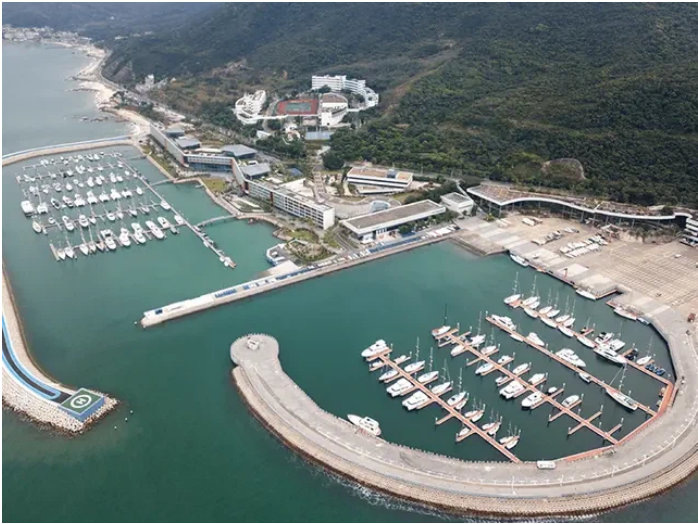
One of the main reasons concrete pontoons are valued in marinas is the stable feeling they provide underfoot. Compared with lighter floating structures, they often feel calmer and less reactive during normal movement. Their mass can help reduce quick bouncing and sudden motion, which improves comfort for people walking along the dock or stepping on and off a vessel.
That stable feel matters in daily operation. Dock users are not thinking about marine engineering when they move through a berth area. They notice whether the surface feels secure. A platform that feels steady immediately creates more confidence and a better overall impression of the marina.
A wider floating base also contributes to better stability. By spreading loads more effectively across the water, the pontoon can maintain a more balanced working position. This is especially useful in main walkways, berthing areas, and places where people carry equipment or supplies.
This kind of stability is not only about comfort. It supports smoother operation and a more professional waterfront environment. When a dock feels stable, vessel access becomes easier, circulation improves, and the overall space works better for both staff and visitors.
Even a well-designed pontoon must be matched to the actual project. Floating performance depends on the loads the structure is expected to carry and the conditions it will face on site. Pedestrian traffic, utility requirements, vessel movement, and local wave action all influence how the pontoon behaves.
This is why project context matters so much. A pontoon for a quiet water setting may not be the same as one intended for a busy marina with constant activity. Good design starts by understanding how the dock will be used and what kind of environment it needs to handle.
A pontoon may float well on its own, but the full dock system also depends on proper anchoring and guidance. Position control helps the platform rise and fall with the water while still remaining secure and usable. If anchoring is not handled correctly, even a well-built pontoon cannot deliver its best performance.
For this reason, Horizon Marina approaches these products as part of a larger floating dock solution. Flotation, stability, and system control all need to work together to achieve reliable long-term results.
In a marina, floating performance affects everyday use more than many people realize. A stable pontoon makes it easier for people to walk, board vessels, move equipment, and use the space with confidence. Better flotation and steadier support improve both operational efficiency and user comfort.
That is why concrete pontoons are often selected for projects where long-term reliability matters. A platform that stays calm and dependable can improve the overall quality of the marina, not just the structure itself.
Water levels change, vessel activity varies, and no two operating days are exactly the same. A floating dock needs to adapt without becoming difficult to use. Concrete pontoons help meet that need by combining engineered buoyancy with structural stability, making them well suited to marinas, waterfront facilities, and other long-term marine projects.
Concrete pontoons float because they are designed to float. Their buoyant internal structure, reinforced shell, balanced dimensions, and controlled load distribution allow them to displace enough water while still providing the stable support expected in marinas and floating docks. That combination is what makes them a dependable choice for waterfront infrastructure that needs durability as well as comfort in daily use. Horizon Marina supplies marine solutions built for practical performance, and if you are planning a floating dock or marina project, contact us to learn more about the right Floating Pontoon option for your application.
They float because the structure includes enough buoyant volume to displace water and support the full pontoon under working conditions.
In many applications, yes. Their mass and wider base can reduce bounce and create a steadier walking and boarding experience.
The shell mainly provides strength and protection. The lift comes from the pontoon’s engineered buoyant structure and overall design.
They are widely used in marinas, floating docks, berthing areas, and waterfront projects that require durable, stable long-term performance.