
Views: 0 Author: Site Editor Publish Time: 2025-12-29 Origin: Site


Floating pontoons are essential structures that offer stability and adaptability in a variety of water-based applications. Whether for marine transport, recreation, or infrastructure, their ability to adjust to changing water levels makes them indispensable. In this article, we will explore the purpose of a floating pontoon, its structure, and its key uses across different industries. You'll learn how these versatile platforms can enhance both commercial and personal projects.

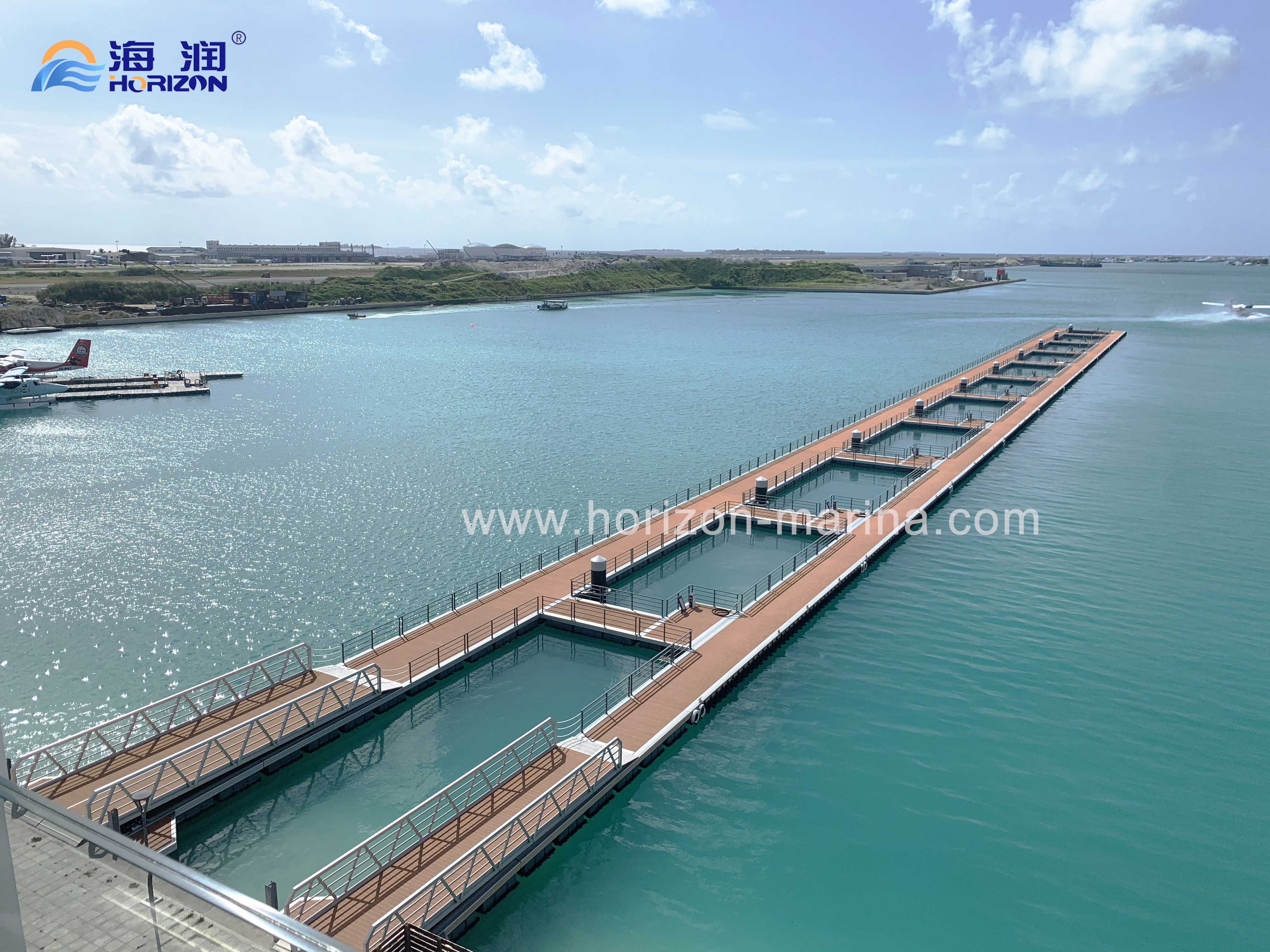
A floating pontoon is a platform designed to remain afloat on water, typically used for docking, transportation, or recreational purposes. These pontoons are engineered with buoyant materials that allow them to displace enough water to float. They can be built from materials like concrete, steel, aluminum, or polyethylene, depending on the weight they need to support and their intended use.
Here’s a basic structure of a floating pontoon:
Component | Description |
Buoyant Material | Typically made from concrete, plastic, or steel to ensure it remains afloat. |
Deck Surface | The top layer, where vessels dock, people stand, or goods are placed. |
Anchoring System | Keeps the pontoon stable by tying it to the shore or a dock to prevent drifting. |
Supporting Pillars | Used in large pontoons to provide additional buoyancy and strength. |
Floating pontoons come in various sizes and designs, depending on the weight and specific use. For example, small pontoons for personal docks may only support a boat, while large commercial pontoons may hold multiple vessels or heavy cargo.
The fundamental principle behind floating pontoons is buoyancy, a force that allows objects to stay afloat on water. When a pontoon is placed in the water, it displaces a certain amount of water. This displacement creates an upward force that is equal to the weight of the pontoon, allowing it to float.
Here are a few key factors that determine how a floating pontoon functions:
● Weight Distribution: Proper load distribution is crucial for stability. Uneven weight can cause the pontoon to tilt or even capsize.
● Material Choice: The materials used to construct the pontoon affect its buoyancy and durability. Lighter materials like polyethylene are ideal for recreational use, while heavier materials like steel are used for industrial-grade pontoons.
● Environmental Factors: Water temperature, salinity, and waves all influence the performance of a pontoon. In coastal areas, pontoons are typically designed to withstand saltwater corrosion.
Factor | Impact on Functionality |
Material Choice | Affects the pontoon's durability, buoyancy, and resistance to water conditions. |
Water Level Fluctuation | Floating pontoons adjust with changing water levels, offering flexibility in design. |
Load Weight | Determines the pontoon's buoyancy and stability. More weight requires stronger materials. |
Floating pontoons have a broad range of uses, from transportation and infrastructure to recreation. Below, we break down their primary purposes in detail.
The most common use of floating pontoons is in the transportation sector, especially for docking boats, ships, and other watercraft. Whether it’s a small boat or a large commercial vessel, pontoons provide a stable platform for docking. This is especially useful in areas where water levels fluctuate, such as rivers, tidal zones, or lakes.
Advantages of Floating Pontoons for Docking:
1. Adjustable to Water Levels: Floating pontoons rise and fall with the water, providing consistent docking access despite tides, floods, or seasonal changes.
2. Flexibility: Floating pontoons can be repositioned or expanded, making them a versatile solution for temporary or permanent docking needs.
3. Cost-Effective: Pontoons are cheaper to install and maintain compared to fixed docks, making them ideal for smaller operations or temporary setups.
Advantage | Description |
Adjustable | Floats with changing water levels, ensuring year-round accessibility. |
Flexible | Can be moved or reconfigured for different uses. |
Cost-Effective | Less expensive to install and maintain than traditional dock structures. |
Floating pontoons aren’t just for the marine and transport industries; they also play a vital role in recreation. These platforms provide the perfect base for various leisure activities, particularly on lakes, rivers, or coastal areas.
Common Recreational Uses:
● Fishing Platforms: Many fishing enthusiasts prefer using floating pontoons, as they provide a stable surface on the water to fish from.
● Swimming or Leisure: Floating pontoons can serve as a resting platform or a space for sunbathing, especially in calm water bodies.
● Event Hosting: Floating platforms can be used for water-based events, such as concerts, parties, or weddings, offering guests an unforgettable experience on the water.
Activity | Description |
Fishing | Provides a stable platform to fish from without worrying about water movement. |
Water Sports | Ideal for paddleboarding, kayaking, or even water aerobics. |
Event Hosting | Can host unique water-based events like weddings, parties, or festivals. |
Floating pontoons are also essential in infrastructure projects, especially in areas with fluctuating water levels. These structures are used as temporary or permanent platforms for construction, transportation, or emergency use.
Examples of Industrial Applications:
● Bridges and Piers: Floating pontoons serve as a base for building piers, docks, or bridges in areas that experience tidal fluctuations.
● Water-Based Construction: Construction projects like offshore platforms, oil rigs, or bridges often rely on floating pontoons for staging areas or to support workers and materials.
● Emergency Platforms: During floods or disasters, floating pontoons can serve as emergency evacuation platforms or temporary access points to rescue workers.
Industry | Application |
Construction | Temporary work platforms for water-based projects like piers. |
Emergency Services | Floating platforms can be used for rescue operations during floods. |

Floating pontoons offer multiple advantages over traditional infrastructure or static docks. Below are the key benefits that make them indispensable.
Floating pontoons are incredibly adaptable. They rise and fall with the water level, allowing them to stay level and stable even during fluctuations. This feature makes them ideal for places where water levels constantly change, such as rivers, lakes, or coastal areas.
Additionally, pontoons can be reconfigured or relocated easily, making them ideal for temporary or seasonal applications. Whether you're building a temporary marina for the summer or need a floating platform for a one-off event, floating pontoons provide unmatched flexibility.
Compared to traditional fixed docks, floating pontoons are far more cost-effective. They are easier and quicker to install, especially in areas where building a fixed structure would be costly or impractical. Additionally, maintenance costs are lower, as floating pontoons are less prone to damage from water wear or environmental changes.
Advantages of Floating Pontoons:
● Lower initial construction costs.
● Lower maintenance needs, requiring only occasional inspections.
● Ability to move and expand based on seasonal demand or water levels.
Benefit | Explanation |
Low Installation Costs | Pontoons are quicker and cheaper to install than traditional structures. |
Low Maintenance | Require only basic upkeep like cleaning and occasional checks. |
Floating pontoons have a lower environmental impact compared to fixed infrastructure. Since they don’t require piling or extensive groundwork, they preserve the natural water body and surrounding shoreline. Additionally, many modern pontoons are made from environmentally friendly materials, ensuring sustainability and reduced ecological footprints.
Floating pontoons also minimize disruptions to local ecosystems, especially in sensitive areas where construction of fixed docks could cause habitat damage.
In the marine and shipping industries, floating pontoons play a crucial role in facilitating docking and cargo handling. Ports and harbors utilize pontoons to create docking stations that remain accessible, regardless of water fluctuations due to tides or storms.
Application | Example |
Cargo Handling | Floating pontoons enable seamless loading and unloading of ships. |
Marina Development | Offer docking stations for boats, increasing port capacity. |
In construction, floating pontoons are often used for water-based projects, providing a stable and safe platform for workers. These platforms allow construction teams to complete tasks such as building piers, bridges, or offshore rigs.
Applications in Construction:
● Bridge Construction: Floating pontoons are used to support work platforms during bridge construction over rivers or seas.
● Offshore Platforms: Oil rigs and other offshore structures rely on floating pontoons to stabilize their work areas.
Industry | Use Case |
Construction | Used to build offshore structures, piers, or other water-based infrastructure. |
Engineering | Floating pontoons are essential for work on water-bound projects. |
Floating pontoons are becoming an increasingly popular choice in the tourism and entertainment industries. From floating hotels to water-based event venues, these structures offer a unique and memorable experience for tourists.
Tourism Applications:
● Floating Hotels: In places like the Maldives or Dubai, floating pontoons are used to create luxurious floating hotels. These innovative hotels offer an unforgettable experience with stunning views and direct access to the water.
● Floating Restaurants: These pontoons offer a scenic and exclusive dining experience. Guests can enjoy gourmet meals while taking in the beautiful surroundings, making it a unique dining destination on the water.
Use Case | Description |
Floating Hotels | Provide a unique experience for tourists staying on the water. |
Floating Restaurants | Offer an exclusive dining experience with views of the water. |
When choosing a floating pontoon for your needs, consider the following key factors:
● Water Depth: Determine the water depth where the pontoon will be used to ensure stability. Shallow or deep water may require different pontoon designs, ensuring safety and functionality.
● Location: Assess whether the pontoon will be used in calm or turbulent waters, as this affects design choices. Pontoons in turbulent waters need additional reinforcement for stability and durability.
● Intended Use: Whether for docking, recreation, or industrial work, the pontoon’s design must suit your specific needs. The load-bearing capacity and material choice should align with the intended application to ensure optimal performance.
Floating pontoons can be customized to meet specific needs, whether for personal, recreational, or commercial purposes. Custom options allow for better adaptation to specific water conditions and load requirements.
Feature | Customization Options |
Modular Systems | Easier to assemble and adjust to different needs. |
Custom Builds | Tailored to unique water conditions or load capacities. |
Floating pontoons are incredibly versatile and play an essential role in many industries, from marine transport to recreation and infrastructure. Their adaptability to water level fluctuations, cost-effectiveness, and minimal environmental impact make them an attractive option for a wide range of applications.
Whether you're in need of a temporary docking solution, a stable base for construction work, or a unique venue for events, floating pontoons offer a stable, flexible, and sustainable solution. With their growing use across industries, floating pontoons are undoubtedly shaping the future of water-based infrastructure.
When choosing a floating pontoon, be sure to consider your specific needs, water conditions, and material options to ensure you get the most reliable and effective platform for your purposes.
Need a floating pontoon? Explore the wide range of options available from Horizon, a leading manufacturer of high-quality floating pontoons. Whether for recreational platforms or large-scale industrial pontoons, Horizon provides solutions tailored to your needs.
A: A floating pontoon is a buoyant platform designed to float on water, typically used for docking boats, supporting infrastructure, or providing a stable base for recreational activities. It adjusts to fluctuating water levels, making it ideal for areas with tides or seasonal changes.
A: A floating pontoon works on the principle of buoyancy. It displaces a volume of water equal to its weight, which keeps it afloat. This allows it to rise and fall with the water level, ensuring stability even in changing conditions.
A: Floating pontoons are used for docking, water-based construction, and recreational activities. They are versatile, providing stable platforms on fluctuating water levels. They are also popular for temporary or seasonal setups, such as floating restaurants or event venues.
A: Floating pontoons offer several benefits, including adaptability to fluctuating water levels, ease of installation, low maintenance, and versatility for recreational, industrial, or commercial use. They are also eco-friendly and reduce environmental impact compared to fixed docks.