

Views: 0 Author: Site Editor Publish Time: 2025-12-24 Origin: Site


Building a floating pontoon can be an exciting DIY project. Whether you need a personal dock or a recreational platform, it’s a great solution for water-based structures.In this article, you will learn about the process of building, maintaining, and upgrading your floating pontoon. We’ll guide you through every step, from the basics to advanced tips.
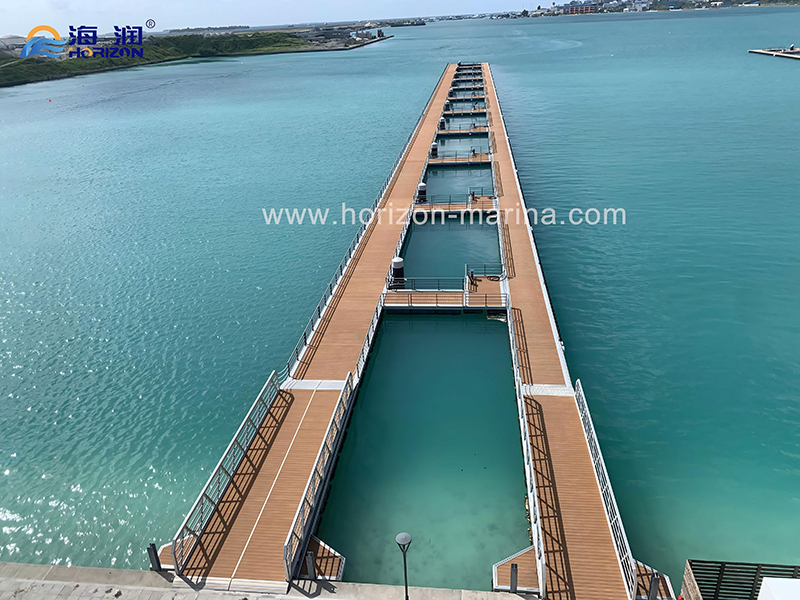
A floating pontoon is a buoyant platform that remains above water, typically used as a dock, boat platform, or recreational space. The principle behind a floating pontoon is simple: it uses buoyancy to stay afloat. Buoyancy is the upward force exerted by the water on the pontoon, which allows it to float despite its weight. The water displacement created by the pontoon supports the structure, keeping it stable on the surface.
Pontoons are made from various materials, including plastic, wood, and metal, each offering unique benefits and drawbacks. A typical pontoon structure consists of a frame and buoyant materials such as barrels, foam blocks, or custom pontoons, which ensure the platform remains buoyant and stable.
Material | Durability | Cost | Best For |
Wood | Moderate | Low | Residential Pontoons |
Aluminum | High | High | Commercial Pontoons |
Steel | Very High | High | Large-Scale Projects |
A floating pontoon offers several advantages over traditional fixed structures. Below are some of the most notable benefits:
● Mobility and Flexibility: One of the primary benefits of a floating pontoon is its ability to move with the water level. Whether you are dealing with tides, seasonal fluctuations, or storm surges, a floating pontoon will rise and fall with the water, remaining stable at all times. This flexibility makes floating pontoons ideal for areas with fluctuating water levels.
● Ease of Installation: Building a floating pontoon is often simpler than constructing a traditional dock. Floating pontoons typically require fewer materials and less time to install. The simplicity of the construction process also means lower costs compared to permanent structures. Additionally, floating pontoons can be installed without needing to permanently alter the landscape or waterbed.
● Versatility: Floating pontoons can be used in various environments, including lakes, rivers, calm coastal waters, or even in urban areas with minimal water flow. They can serve as docks, platforms, or recreational spaces for both personal and commercial use. Their ability to be adapted to different environments makes them incredibly versatile.
● Durability and Low Maintenance: When built with proper materials and techniques, floating pontoons can last for many years with minimal maintenance. Unlike traditional fixed docks, which are more prone to damage from shifting tides and weather conditions, floating pontoons are less susceptible to these risks. This reduces the long-term maintenance costs and increases the overall lifespan of the structure.
Different types of floating pontoons serve various purposes. Here's a breakdown of the most common types and their applications:
Type | Common Use | Benefits |
Aluminum Pontoon | Residential docks, recreational platforms, small-scale commercial projects | Lightweight, durable, corrosion-resistant, low maintenance |
Gangway & Bridge | Connecting floating pontoons to the shore or other floating structures | Provides easy access, adjustable lengths, stability |
Concrete Pontoon | Large-scale commercial uses like marinas, piers, offshore platforms | Extremely durable, stable, suitable for heavy loads |
Fuel Pontoon | Floating fuel stations for boats or ships | Mobile, safe, equipped with containment and safety systems |
Breakwater & Wave Attenuators | Protection for waterfront areas and vessels by reducing wave energy | Reduces wave impact, creates calm waters, stabilizes other floating structures |
Solar Power Floating Platform | Solar energy production on water surfaces for sustainable power | Renewable energy solution, space-efficient, eco-friendly |
Temporary or permanent dock house for storage or leisure activities | Multifunctional, customizable, easily movable | |
Modular Floating Cube | Customizable floating platform for leisure, storage, or events | Modular design, easy to expand or reconfigure, ideal for scalable projects |

Before you begin building, it's essential to first assess the purpose of your floating pontoon. Understanding what you intend to use the pontoon for will help you make better decisions when it comes to materials, size, and other features.
● Recreation: If you plan to use your pontoon for leisurely activities such as sunbathing, swimming, or fishing, you may want to include comfort features like cushioned seating, non-slip decking, and shaded areas. You may also want to ensure your pontoon has sufficient space for recreational equipment such as boats, kayaks, or paddleboards.
● Docking: If your floating pontoon will serve as a dock for watercraft, it should be large enough to accommodate the size of the boats or watercraft. Consider adding docking cleats, adjustable ramps, and a sturdy frame that can handle the weight of boats. Additionally, anchors should be strong enough to secure the pontoon in place, especially if used for docking multiple vessels.
● Storage: For storage purposes, you’ll need a pontoon large enough to hold the necessary equipment, such as life jackets, ropes, anchors, or tools. If you plan to store sensitive items such as electronics or fishing gear, you might consider adding storage compartments or securing areas with protective coverings.
The frame of the pontoon is the backbone of the structure and must be built from materials that are both durable and lightweight. Here’s a breakdown of the most commonly used materials for pontoon frames:
Material | Pros | Cons | Ideal Use Case |
Wood | Traditional look, easy to work with | Prone to decay, requires maintenance | Small to medium residential pontoons |
Aluminum | Resistant to rust, lightweight, durable | Higher cost, less aesthetic appeal | Commercial and residential pontoons |
Steel | Extremely durable, strong | Heavy, susceptible to rust | Large, industrial-grade pontoons |
● Wood: A classic choice for residential pontoons, wood offers a traditional look that blends well with natural surroundings. However, it can be prone to rot and decay if not treated properly. Regular maintenance such as sealing and painting is required to extend its lifespan.
● Aluminum: Aluminum is lightweight, durable, and resistant to rust, making it an ideal material for pontoons exposed to water regularly. While it is more expensive than wood, it provides greater longevity and lower maintenance costs. Aluminum is commonly used for both commercial and residential pontoons.
● Steel: Steel is highly durable and provides the necessary strength for large-scale pontoons, but it is heavier than wood and aluminum. Steel pontoons require corrosion-resistant coatings and periodic maintenance to prevent rusting.
To ensure your pontoon is functional and safe, you must calculate its buoyancy and overall size. The size and weight it can support will depend on the type of materials used and the design of the pontoon.
Formula for Buoyancy:
Each type of buoyant material (e.g., foam, barrels, or plastic pontoons) has a specified buoyancy rating. You will need to multiply the volume of each buoyant material by its buoyancy rating to determine how much weight it can support.For example, a standard 55-gallon barrel can support approximately 500 pounds. If you plan to use ten barrels, your total buoyancy would be 5,000 pounds.
Material | Volume | Buoyancy Rating (per unit) | Total Buoyancy for 10 Units |
55-gallon Barrel | 55 gallons | 500 lbs | 5,000 lbs |
Foam Block | 1 cubic meter | 200 lbs | 2,000 lbs |
Before building your floating pontoon, check with local authorities for any zoning laws, building codes, or water usage regulations. Permits may be required for construction, especially if the pontoon will be used for public or commercial purposes. Make sure your design complies with safety regulations and environmental protections for water bodies.
The first step in building your floating pontoon is gathering the required tools and materials. Make sure you have everything on hand before you begin construction.
Tool | Purpose |
Power Drill | For drilling holes in wood or metal |
Saw | To cut materials like wood and metal |
Safety Goggles | To protect eyes from debris and particles |
Wrench | For tightening bolts and screws |
1. Measure and Cut the Wood: Start by measuring and cutting your materials to the desired size for the pontoon frame. It’s important to double-check the measurements to ensure accuracy.
2. Assemble the Frame: Using screws or bolts, assemble the frame to form a rectangular or square structure. Ensure all pieces are securely attached to prevent shifting over time.
3. Reinforce the Frame: To ensure the pontoon can support heavy loads, add cross braces or extra reinforcements. This will help stabilize the frame, especially if the pontoon will carry multiple boats or people.
1. Choose the Floats: Choose your buoyancy materials based on your weight requirements. The most common options are barrels or foam blocks, but there are also specialized pontoons designed for larger-scale projects.
2. Attach the Floats: Attach the floats securely to the underside of the frame. Be sure to distribute them evenly across the pontoon to ensure balance.
3. Check for Balance: After attaching the floats, test the balance of the pontoon. It should be level in the water. Adjust the placement of the floats if necessary.
1. Anchor the Pontoon: If your pontoon will be stationary, secure it to the shore or dock using strong, rust-resistant anchors and ropes. This will prevent it from drifting away in strong winds or currents.
2. Test Stability: Once anchored, gently rock the pontoon to test its stability. It should remain steady and not tip over easily. If there’s any wobble, adjust the anchors or add more buoyant material.
Before using your pontoon, perform a final check. Look for any loose connections, damaged floats, or weak points in the structure. Ensure that everything is secure and stable before launching the pontoon into the water.
A common mistake is underestimating how much weight the pontoon will need to support. Always err on the side of caution by calculating the total weight (including the pontoon frame, people, and any equipment) and ensuring that your buoyant materials provide more than enough support.
While it may be tempting to skip reinforcement to save time, this is one of the most important steps in the construction process. Reinforcing your frame ensures the pontoon can withstand heavy loads and resist damage over time.
Safety should always be a priority when building a floating pontoon. Ensure your pontoon has non-slip surfaces, proper railings, and easy access points. Additionally, regular maintenance is essential to keep the pontoon in good condition for years to come.
Regular maintenance is key to ensuring the longevity of your floating pontoon. Here are some essential tasks:
● Inspect the frame for rust or wear.
● Clean the floats regularly to remove debris or algae.
● Check the anchors and ropes for signs of wear and replace them as needed.
Maintenance Task | Frequency | Tips |
Inspect the frame | Annually | Look for rust, cracks, or loose screws |
Clean the floats | Every 6 months | Use a pressure washer to remove algae |
Check anchors/ropes | Every 6 months | Replace if frayed or damaged |
To extend the lifespan of your pontoon and make it more comfortable, consider adding the following features:
● Roof or Canopy: Adding a roof or canopy will provide shade and protect you from the sun.
● Cushions or Mats: Comfortable seating can make your pontoon more enjoyable for longer periods.
● Waterproof Materials: Consider using waterproof decking and materials to protect the frame from moisture damage.
Storing your pontoon properly during off-seasons is essential for protecting it from extreme weather. When not in use, try to store it on dry land or use protective covers to shield it from harsh conditions. Regularly check for wear and replace any components that show signs of damage.
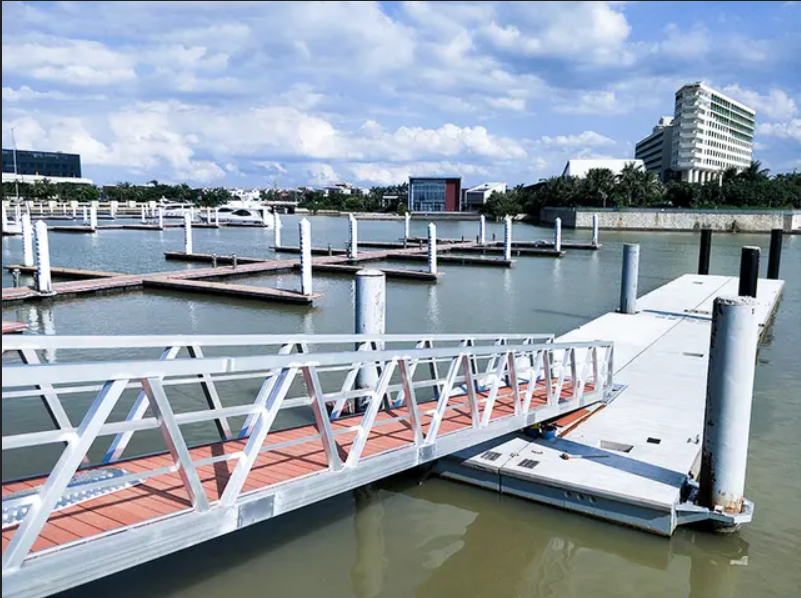
Building a floating pontoon can be a rewarding project that adds both functionality and enjoyment to your waterfront property. By carefully planning your design, selecting the right materials, and following the step-by-step guide, you can create a stable and durable pontoon that meets your needs. Horizon Marina, a technical-based enterprise located in Dongguan, China, specializes in marina design, manufacture, and construction, with a 5,000 square meter factory and extensive project management expertise. With years of experience, Horizon has delivered floating dock solutions to high-profile international clients, becoming a leading marina manufacturer worldwide. Remember to maintain and upgrade your pontoon regularly to ensure it lasts for many years. Always consider your environment and the specific purpose of your pontoon when planning its design and construction.
A: A floating pontoon is a buoyant platform that stays afloat on water, typically used as a dock, recreational area, or for small boats. It uses buoyancy to remain stable and is ideal for varying water levels.
A: To build a floating pontoon, start by constructing a strong frame with materials like wood, aluminum, or steel. Attach buoyant materials such as barrels or foam blocks, then anchor it securely to the shoreline or dock.
A: A floating pontoon adapts to water level changes, making it more versatile than fixed docks. It's easier to install, requires less maintenance, and is perfect for areas with fluctuating water levels.
A: Floating pontoons offer mobility, easy installation, and low maintenance. They are adaptable to changing water levels and can be used for docking boats, leisure, or storage.