

Views: 0 Author: Site Editor Publish Time: 2026-01-05 Origin: Site


Floating pontoons are widely used in various industries and recreational activities. Whether for personal boat docks or commercial structures, they provide stability on water. But how long can your floating pontoon last? In this article, we will explore the life expectancy of floating pontoons, factors affecting their durability, and tips on maintaining them. We will also discuss when it's time for a replacement.
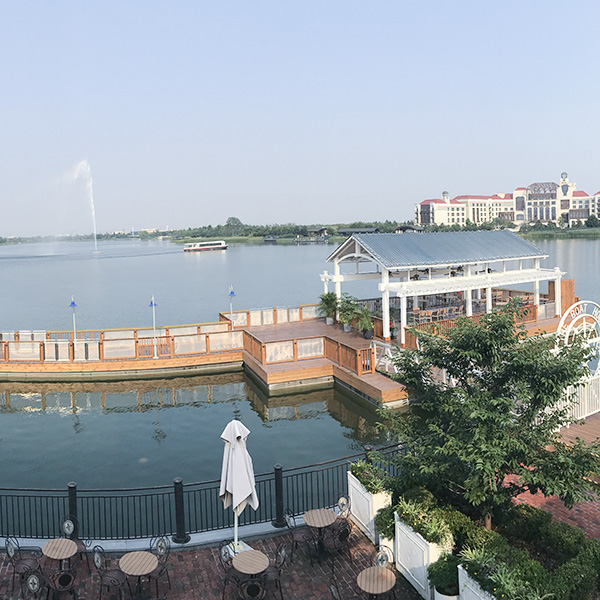
A floating pontoon is a water-based structure that floats on the surface of a body of water, providing a stable platform. It is usually made up of a platform supported by a series of flotation devices such as barrels, pontoons, or sealed boxes. These pontoons are designed to stay afloat regardless of changing water levels, making them perfect for various applications like docks, marinas, event spaces, and construction platforms.
Floating pontoons have a broad range of uses:
● Recreational: Many boat owners use pontoons as docks or floating platforms for fishing, swimming, or sunbathing. These pontoons provide a stable, safe platform for outdoor activities on water, making them ideal for family gatherings, water sports, or simply relaxing by the water.
● Commercial: Marinas, resorts, and restaurants often use floating pontoons as docking stations, event platforms, or even floating shops. Pontoons in commercial settings offer versatile solutions for high-traffic areas, enabling businesses to maximize waterfront space while providing a unique experience for customers.
● Industrial:Pontoons are commonly used in construction, offshore oil rigs, and large-scale infrastructure projects, providing stable surfaces for operations on water. They serve as temporary platforms for heavy machinery, crew accommodation, and materials, ensuring safe and efficient operations in challenging aquatic environments.
A floating pontoon is built using several key components:
● Deck: The upper platform where people can walk, dock boats, or set up equipment. It serves as the functional surface of the pontoon, providing space for recreational activities, storage, or even small gatherings, and is often designed with materials that are durable and weather-resistant
● Flotation System: The material or structure that provides buoyancy, allowing the pontoon to float. It may consist of barrels, foam, or concrete blocks. This system is crucial for ensuring the pontoon's stability and load-bearing capacity, and it is designed to withstand different environmental conditions, such as waves and currents.
● Anchors: These are used to keep the pontoon in place, preventing it from drifting away due to wind or water currents. Anchors are typically made of strong materials like steel or concrete and are secured to the bottom of the water body, ensuring the pontoon remains stationary even in rough conditions or during extreme weather.
Component | Description |
Deck | The surface area used for activities or docking. |
Flotation System | Buoyant materials that keep the pontoon afloat. |
Anchors | Mechanisms that stabilize the pontoon in place. |
The material chosen for a pontoon significantly affects its life expectancy. Some of the most common materials include:
● Wood: Wooden pontoons are a popular choice due to their aesthetic appeal, but they require more maintenance and can suffer from rot if exposed to moisture for long periods.
● Concrete: Concrete pontoons are durable and long-lasting, especially in environments where stability is essential. However, they are heavy and typically more expensive.
● Metal (Aluminum/Steel): Metal pontoons, especially those made from aluminum or steel, are strong and long-lasting, but they can be prone to corrosion unless properly maintained.
● Plastic/Composite: Lightweight, corrosion-resistant materials that require less maintenance, but they may not provide the same strength as concrete or metal.
Environmental factors have a huge impact on the lifespan of a floating pontoon:
● Saltwater: The harsh conditions of saltwater accelerate corrosion and rust, particularly on metal pontoons. This makes saltwater environments more challenging for pontoons.
● Freshwater: Freshwater is gentler on materials, but algae growth and waterborne organisms can still affect the pontoon's surface and integrity.
● UV Exposure: Prolonged exposure to the sun’s ultraviolet rays can degrade materials such as plastics, composites, and even some metals, shortening their lifespan.
Environmental Factor | Impact on Pontoon Life |
Saltwater | Accelerates corrosion and wear. |
Freshwater | Generally less damaging but still leads to biological growth. |
UV Exposure | Degrades materials, particularly plastics and composites. |
Regular maintenance is crucial in extending the life of a floating pontoon. Key practices include:
● Inspection: Regularly check for signs of wear and tear, such as cracks, corrosion, or flotation device degradation. This helps identify any potential issues early, allowing you to address them before they affect the pontoon’s stability or safety.
● Cleaning: Remove algae, barnacles, and other growths that can increase weight and cause damage. Regular cleaning prevents buildup, which can lead to degradation of materials, reduced buoyancy, and a shorter lifespan.
● Repairs: Fix any damages immediately to prevent further deterioration. Minor issues, such as small cracks or leaks, can turn into major problems if left unchecked, potentially leading to costly repairs or replacement down the road.
● Sealing and Painting: Apply UV-resistant paint or sealant to prevent the deck and other surfaces from water damage. This protective layer shields the pontoon from the harmful effects of sunlight, moisture, and weather, extending its durability and maintaining its appearance.
The weight load placed on the pontoon and how frequently it is used can also affect its life expectancy. A pontoon used heavily or loaded with excessive weight can wear down much faster than one that is used infrequently or within its recommended capacity.
Load Capacity & Usage | Impact on Pontoon Life |
Heavy Load/High Use | Shorter lifespan due to faster wear and tear. |
Light Load/Low Use | Longer lifespan with minimal degradation. |
The typical lifespan of a floating pontoon depends on its material and how well it is maintained. On average:
● Wooden pontoons last between 10 to 15 years.
● Concrete pontoons last about 20 to 30 years.
● Metal pontoons can last between 15 to 30 years.
● Plastic/Composite pontoons typically last around 20 to 25 years.
Material | Average Lifespan |
Wood | 10-15 years |
Concrete | 20-30 years |
Metal | 15-30 years |
Plastic/Composite | 20-25 years |
● Freshwater Environments: Pontoons in freshwater tend to last longer because they are not subjected to the corrosive effects of saltwater. Typically, concrete and plastic pontoons can last the longest in freshwater environments.
● Saltwater Environments: Saltwater accelerates corrosion, particularly in metal pontoons, so they require more maintenance and have a shorter lifespan. Metal pontoons in saltwater may need replacing after 10-15 years without proper care.
Pontoons that are regularly maintained and promptly repaired can last significantly longer. For example, applying protective coatings, cleaning the pontoons regularly, and replacing damaged flotation devices can help extend their lifespan by several years.
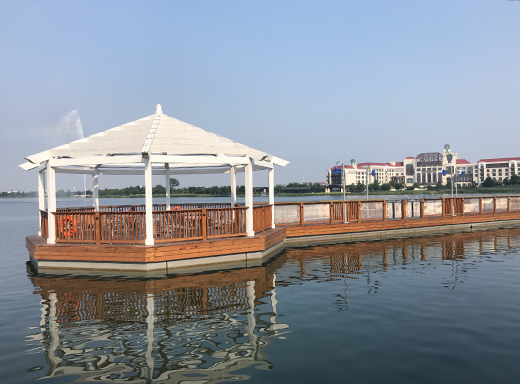
To extend the lifespan of a floating pontoon, consider adopting the following practices:
● Clean regularly: Ensure you remove algae, barnacles, and debris that may attach to the surface.
● Inspect for damage: Check the pontoons for cracks, leaks, or signs of corrosion and repair them immediately.
● Reapply coatings: UV-resistant coatings help protect the surface from sun damage and water erosion.
● Maintain flotation devices: Ensure that the flotation devices are intact and not waterlogged, as damaged devices can cause the pontoon to sink or become unstable.
Applying UV coatings and using corrosion-resistant materials can significantly enhance the durability of your floating pontoon. If your pontoon is used in a saltwater environment, consider installing sacrificial anodes to prevent corrosion.
Perform regular inspections and cleaning of your floating pontoon. This helps to identify small problems before they turn into larger, costlier issues. Routine inspections are also crucial for maintaining the pontoon's safety and stability.
Immediate repair of cracks, leaks, or damaged components can prevent issues from escalating. Regular checks on the flotation system and anchors are essential to ensure the pontoon remains afloat and secure.
Signs of structural issues, such as cracks or corrosion, could indicate that your pontoon is no longer safe to use. When these issues affect the integrity of the pontoon, it may be time to consider a replacement.
If the flotation devices are showing signs of wear, such as cracking, leaking, or becoming waterlogged, it can seriously affect the stability of the pontoon. Replacing or repairing these components may not always be cost-effective, leading to the need for a full replacement.
A pontoon that is unstable or presents safety concerns due to structural weaknesses or degraded flotation may need to be replaced. A significant reduction in stability is a key indicator that your pontoon is nearing the end of its usable life.
If repairs become frequent or the cost of repair exceeds the value of a new pontoon, replacing the pontoon is often the more economical choice.
Several factors affect the cost of a new floating pontoon:
● Material choice: Concrete or metal pontoons will cost more upfront but offer longer lifespans.
● Size and customization: Larger or custom-built pontoons will be more expensive.
● Installation: Depending on location and the complexity of the installation, the cost may vary.
Factor | Impact on Cost |
Material Choice | Higher cost for concrete or metal, lower for plastic. |
Size & Customization | Larger or custom pontoons are more expensive. |
Installation | Installation costs vary by location and complexity. |
Material | Initial Cost | Longevity | Maintenance Costs |
Wood | Low | Short (10-15 years) | High (requires frequent repairs) |
Concrete | High | Long (20-30 years) | Low (minimal maintenance) |
Metal | Medium | Medium (15-30 years) | Medium (requires corrosion protection) |
Plastic/Composite | Medium | Medium (20-25 years) | Low (minimal maintenance) |
Investing in regular maintenance often results in long-term savings. By addressing small issues early, you can avoid costly repairs and replacements.
Understanding the life expectancy of a floating pontoon and taking proactive steps in maintenance can greatly extend its lifespan. With proper care, your pontoon can serve you well for many years, making it a worthwhile investment. Regular inspections, cleaning, and repairs are key practices that can help maximize the durability of your pontoon. If the signs point to replacement, consider factors like material choice, installation cost, and long-term durability when making a decision.
Prompt: Consult a professional from Horizon for personalized advice on how to extend the life of your floating pontoon and ensure it remains functional for years to come.
A: The life expectancy of a floating pontoon typically ranges from 15 to 30 years, depending on the material used, environmental conditions, and maintenance. Well-maintained pontoons in freshwater environments may last longer compared to those in saltwater or harsh weather conditions.
A: Regular maintenance, such as cleaning, inspecting for damage, applying UV-resistant coatings, and repairing cracks or leaks, can significantly extend the life of a floating pontoon. Proper care ensures that your pontoon remains in good condition for many years.
A: Concrete pontoons are durable, long-lasting, and require minimal maintenance. They are particularly effective in environments that demand a stable and robust platform, offering a life expectancy of up to 30 years or more with proper care.
A: While plastic pontoons are lightweight and resistant to corrosion, they may not be as strong or durable as metal pontoons, especially in heavy-duty or harsh conditions. However, they are still a good choice for calm, freshwater environments and offer a long lifespan with proper maintenance.