
Views: 0 Author: Site Editor Publish Time: 2026-07-12 Origin: Site


Deploying fixed marine infrastructure in environments with high tidal variance, seasonal flooding, or heavy wave action carries significant structural risks. Rigid docks resist the immense kinetic energy of moving water. Over time, this constant resistance causes material fatigue, structural fracturing, and compromised safety. When water levels drop drastically or surge unpredictably, fixed platforms often become unusable or entirely submerged.
The core challenge lies in maintaining continuous, safe, and ADA-compliant access to watercraft or marine facilities. Lakes, rivers, reservoirs, and tidal estuaries experience unpredictable water-level fluctuations. Facility managers and waterfront developers need infrastructure that adapts dynamically to these changes without requiring constant manual adjustment or structural reinforcement.
A modern floating pontoon solves this problem. It operates as an engineered system that leverages hydrodynamics and specialized anchoring to decouple vertical elevation from the seabed. By moving with the water rather than fighting it, these systems transition the focus from rigid resistance to adaptive buoyancy. Understanding the mechanics, anchor configurations, and site-specific adaptations of these systems ensures successful marine infrastructure development.
Vertical Tracking Over Fixed Resistance: Floating pontoons mitigate structural fatigue by moving vertically with water levels rather than resisting hydrodynamic forces, reducing long-term maintenance costs.
Anchor System Dependency: The adaptability of a floating pontoon is entirely dependent on its anchor system; incorrect anchoring restricts movement and causes catastrophic failure during extreme tidal shifts.
Modularity Equals Survivability: In high-wave environments, modular floating pontoons dissipate kinetic energy better than rigid, monolithic structures by flexing with water movement.
Site-Specific Customization: Successful implementation requires precise bathymetric data, wave fetch analysis, and environmental compliance assessments before selecting materials, layout configurations, and anchoring methods.
Hydrodynamic displacement allows a pontoon to maintain a consistent freeboard. The freeboard is the distance from the water surface to the deck. Regardless of the water depth beneath it, the structure displaces a volume of water equal to its weight. This physics principle ensures a stable platform during extreme water-level shifts. Users step onto the deck at the same relative height whether the tide is at its peak or its lowest ebb. We see this constantly in coastal marinas where a ten-foot tidal swing is standard daily operation.
Flotation core technologies dictate the longevity and safety of the structure. Air-filled roto-molded polyethylene chambers provide basic buoyancy but risk sinking if punctured by debris or ice. Expanded Polystyrene (EPS) foam-filled floats offer superior puncture resistance. If a submerged log breaches the outer shell of a foam-filled float, the closed-cell EPS prevents water ingress. The module remains buoyant, preventing catastrophic failure and keeping the deck level.
Material selection must align with the dynamic environment. High-Density Polyethylene (HDPE) offers excellent corrosion resistance and flexibility. Marine-grade aluminum provides a high strength-to-weight ratio, making it ideal for structural frames in saltwater. Pre-stressed concrete pontoons deliver massive displacement and stability but require deeper water due to their heavy draft. Each material balances weight, buoyancy, and resistance to saltwater corrosion differently.
Interconnected modular systems outperform heavy, single-piece structures in fluctuating environments. A monolithic design struggles with uneven wave action, often acting like a seesaw. Modular designs distribute structural loads across multiple independent float chambers. If one section experiences heavy wave lift, the hinges allow it to articulate. This flexibility makes modular configurations ideal for fluctuating lakes and reservoirs.
Material Type | Buoyancy Characteristic | Corrosion Resistance | Best Application Environment |
|---|---|---|---|
HDPE (High-Density Polyethylene) | High flexibility, moderate displacement | Excellent (Impervious to saltwater) | Shallow lakes, moderate wave zones |
Marine-Grade Aluminum | Lightweight, high strength-to-weight | High (Requires proper alloy selection) | Tidal estuaries, coastal marinas |
Pre-Stressed Concrete | Massive displacement, heavy draft | High (With proper rebar coverage) | Deep water, commercial harbors |
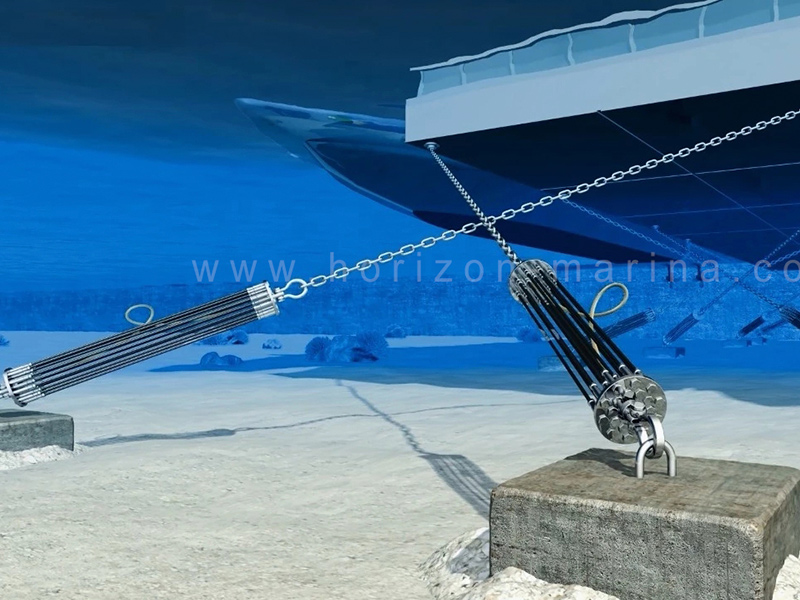
The primary function of an Anchor System is restricting lateral drift, yaw, and rotational movement. Simultaneously, it must allow unrestricted vertical travel. If the anchoring restricts vertical movement, rising tides will submerge the dock, or falling tides will leave it hanging and eventually tear it apart. We always prioritize vertical freedom when designing the mooring layout.
Guide piles and roller brackets represent the gold standard for high-tidal areas. Contractors drive steel, concrete, or composite piles deep into the benthic zone. The pontoon attaches to these piles using heavy-duty roller brackets. The dock glides up and down the piles seamlessly. You must drive these piles significantly higher than the maximum anticipated storm surge to prevent the dock from floating over the top and breaking loose.
Stiff arm anchoring works well for narrow riverine environments. These locations often experience seasonal water-level changes but lack lateral space for expansive cable networks. Stiff arms attach to shoreline abutments and pivot as the water rises and falls. Engineers must calculate the geometric limitations carefully. During extreme low-water phases, the swing arc pushes the dock further out, requiring precise positioning to avoid grounding.
Chain, cable, and deadweight anchors utilize crisscross marine-grade chains attached to heavy concrete blocks. You must calculate the chain scope and catenary curve accurately. The chain must be long enough to accommodate the highest water marks without pulling the pontoon underwater. Conversely, it must remain tight enough at low tide to prevent excessive lateral drift.
Elastic mooring systems provide modern, progressive tension. These elastic rodes dampen wave action while stretching to accommodate tidal shifts. They eliminate the need for dragging heavy chains across the seabed. This protects sensitive benthic habitats while maintaining constant, secure tension on the floating structure.
Conduct a bathymetric survey to map the seabed contours.
Determine the extreme high water (EHW) and extreme low water (ELW) marks.
Select the anchor type based on soil composition (e.g., mud, rock, sand).
Calculate the required scope or pile height to accommodate the full tidal range.
Install the anchors and attach the mooring lines or roller brackets to the pontoon.
Gangways and transition ramps connect fixed land-side abutments to the floating deck. These ramps must adapt to steep angular fluctuations during low tides or seasonal drawdowns. If the water level drops significantly, the gangway slope increases. Engineers must calculate the maximum anticipated drop to ensure the slope remains safe for pedestrian traffic.
Roller kits and slide plates manage the gangway base connection on the pontoon deck. As the water level drops, the horizontal distance between the shore hinge and the deck connection increases. Roller assemblies allow the ramp to glide horizontally across wear plates. This prevents the gangway from binding or pushing the pontoon away from the shore.
Maintaining slip-resistant, accessible pathways requires self-leveling treads or specialized transition plates. ADA accessibility standards mandate specific maximum slopes for public facilities. You must balance the ramp length with the maximum tidal drop. A longer gangway reduces the slope angle during low water, ensuring compliance and safe access for all users.
Floating structures handle wave chop, tidal currents, and boat wakes by dissipating kinetic energy. Fixed docks take the full force of a wave impact. A floating structure absorbs the energy by lifting and flexing. This dynamic response reduces the sheer stress on the overall framework. We rely on this flexibility in areas with heavy commercial boat traffic.
Flexible rubber dog-bones, heavy-duty gudgeons, and torsion-resistant connection hardware link individual modules. These hinge systems allow sections to articulate independently. When a boat wake rolls through, the modules flex over the wave crest. This articulation prevents the structural snapping that occurs when rigid connections face immense wave stress.
Calculating the necessary freeboard prevents wave overtopping during storm conditions. If the freeboard is too low, waves will wash over the deck, creating slip hazards and damaging mounted utilities. Engineers balance accessibility with safety, ensuring the deck remains high enough to deflect chop while remaining accessible from standard watercraft.
Evaluating initial capital expenditure versus lifecycle realities reveals distinct differences between fixed and floating systems. Driving deep piles for a fixed dock requires heavy marine equipment and extensive labor. Floating systems shift the investment toward engineering, flotation materials, and advanced anchoring. Over the lifecycle, floating systems often require less structural repair because they do not fight hydrodynamic forces.
Maintenance and inspection realities differ significantly. Floating systems require routine checks of anchor wear and hinge torque. You must monitor marine growth on the floats and inspect chambers for potential leaks. Fixed docks require checking for pile rot, marine borer damage, and fractured cross-bracing. Both require diligence, but floating systems allow for easier component replacement.
Modular floating systems offer superior scalability and reconfiguration options. You can expand, reconfigure, or relocate a floating layout with minimal environmental disruption. Fixed timber or concrete structures are permanent. Expanding a fixed dock requires mobilizing pile-driving barges again, causing further disruption to the marine environment.
Bathymetric and geotechnical limitations introduce the risk of grounding out. You must calculate the extreme low water (ELW) mark accurately. If the water recedes completely, the floating structure will rest on the seabed. Uneven, rocky, or sharp seabeds can puncture floats or permanently bend structural frames. Site surveys must identify these risks to implement proper seabed leveling or specialized grounding feet.
Ice formation in colder climates presents the risk of ice jacking. As water freezes and expands, it grips piles and floats. Rising water levels then push the ice upward, generating massive jacking forces. You must evaluate whether to remove the dock seasonally. Alternatively, you can utilize tapered float walls that allow expanding ice to slip upward rather than crushing the module.
Permitting and environmental compliance require strict attention. Regulatory bodies scrutinize benthic shading, which blocks sunlight to marine flora like eelgrass. Dragging anchor chains also damages the seabed. Using elastic moorings or specific pile configurations serves as an effective mitigation tactic, satisfying environmental agencies and protecting local ecosystems.
A floating pontoon represents the most viable and resilient infrastructure choice for locations experiencing water-level fluctuations exceeding 18 to 24 inches. Success relies entirely on properly engineered anchoring mechanics. By moving vertically with the water, these systems eliminate the structural fatigue inherent in fixed docks.
When selecting a system, use a rapid decision framework. Choose pile guides for maximum stability in high tides. Opt for elastic moorings in deep water or eco-sensitive zones. Utilize stiff arms for narrow rivers with steep banks.
Commission a comprehensive site survey including wave fetch analysis and soil sampling.
Review historical tidal and bathymetric data to determine extreme high and low water marks.
Consult with local environmental agencies to identify benthic habitat restrictions.
Select an anchor system configuration that matches your specific geotechnical data.
A: A properly engineered floating pontoon can accommodate virtually any tidal range. In extreme environments, systems handle fluctuations exceeding 40 feet. The limitation is not the pontoon itself, but the length of the guide piles or the scope of the anchor chains required to secure it.
A: Anchor systems use tension and geometry to resist lateral forces. Guide piles physically block horizontal movement. Chain and deadweight systems use heavy concrete blocks and calculated chain tension to hold the dock in place. Elastic moorings provide progressive resistance, stretching slightly to absorb shock.
A: Yes, if designed correctly. Pontoons with tapered, heavy-duty polyethylene shells allow expanding ice to slip upward, squeezing the float up rather than crushing it. However, in areas with severe moving ice floes, seasonal removal is often recommended to prevent structural frame damage.
A: If the water recedes entirely, the dock rests on the seabed. If the seabed is flat and soft, the dock remains undamaged. If the seabed is rocky or uneven, the floats can puncture, and the frame can warp. Engineers use grounding feet or seabed grading to mitigate this risk.
A: ADA compliance requires maintaining a specific maximum slope on the transition gangway. Engineers achieve this by installing a longer gangway. A longer ramp reduces the angle of descent during extreme low water, ensuring the slope remains accessible for wheelchair users at all times.
A: Yes. Foam-filled pontoons contain closed-cell Expanded Polystyrene (EPS). If debris or ice punctures the outer plastic shell, the foam core prevents water from filling the chamber. The pontoon retains its buoyancy. Hollow air-filled pontoons will fill with water and sink if breached.
A: You should inspect the anchor system at least twice a year, typically before and after the storm or winter season. Inspections must check for chain wear, roller bracket degradation, pile integrity, and proper tension in elastic moorings to ensure continuous safe operation.