

Views: 0 Author: Site Editor Publish Time: 2025-12-31 Origin: Site


Floating pontoons have become increasingly popular in recent years due to their versatility in water-based activities, construction, and leisure applications. From providing an ideal dock for boats to offering a unique way of living on the water, floating pontoons can serve many purposes. However, are floating pontoons worth the investment? This article will help answer that crucial question by evaluating the benefits, drawbacks, and different uses of floating pontoons.
Whether you're a boat enthusiast, someone seeking to build a floating home, or someone looking to expand your waterfront property, understanding the full scope of floating pontoons is essential. In this article, we’ll break down their costs, maintenance, environmental impact, and other considerations to help you decide whether they’re a good fit for your needs.
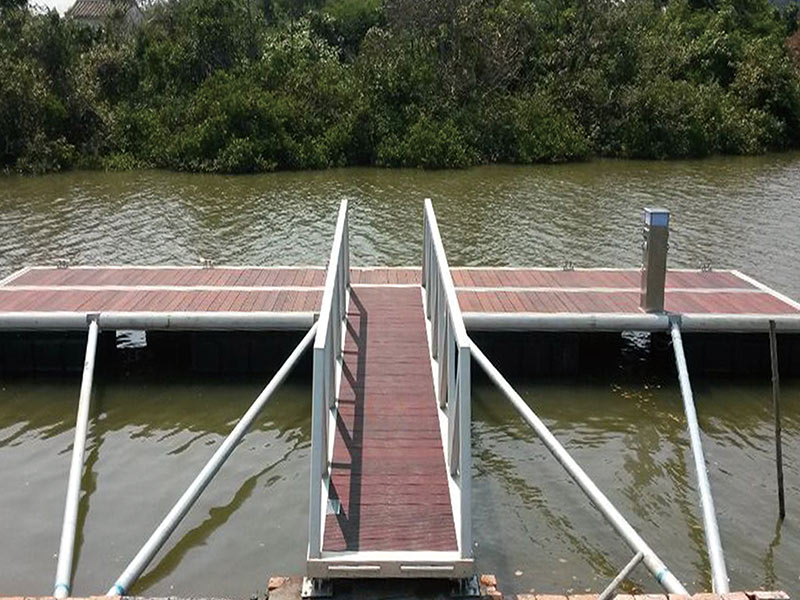
A floating pontoon is a structure that floats on water and is typically anchored to a specific location. These pontoons provide stable, level platforms that remain above the water surface despite fluctuating water levels. They're often used for creating docks, launching platforms for boats, and even as floating homes or commercial platforms.
Pontoons are typically made from buoyant materials that ensure they stay afloat and stable, even in challenging conditions. The structure is usually modular, which allows for flexible setups and easy customization.
Floating pontoons come in various designs and sizes, each suited to specific needs and environments. Their modular nature allows them to be customized based on water conditions, load requirements, and intended usage. Whether you need a small personal dock, a large commercial platform, or a floating home foundation, there’s a floating pontoon design tailored to meet those demands. Below are the most common types:
Type | Description | Common Uses |
Boat Docks | Floating platforms designed to accommodate boats. These pontoons allow easy access to the water. | Recreational boating, marinas, fishing spots |
Floating Platforms | Large platforms designed for various commercial or industrial purposes. | Construction, marine operations |
Floating Islands or Homes | Floating structures used as residences or leisure spaces on the water. | Floating homes, leisure spaces |
The material used for the construction of a floating pontoon greatly affects its durability, cost, and environmental impact. Below are some of the common materials used:
Material | Durability | Cost Range | Pros | Cons |
Polyethylene | 15-25 years | Moderate | Lightweight, resistant to corrosion, low maintenance. | Can wear down over time, especially in harsh conditions. |
Concrete | 30+ years | High | Extremely durable, ideal for large or permanent structures. | Heavy, expensive, difficult to move or modify. |
Aluminum | 20-30 years | Moderate | Lightweight, strong, resistant to corrosion. | May need reinforcement for large applications. |
Floating pontoons can be a significant upfront investment, depending on the material, size, and intended use. On average, a simple floating dock can cost between $3,000 to $15,000, while larger commercial or industrial pontoons may exceed $50,000. However, their ability to provide stable, usable space on the water can yield a great return on investment.
Here’s a breakdown of cost vs. benefit for different applications:
Application Type | Average Cost | Benefit | ROI Timeline |
Recreational Use | $3,000 - $10,000 | Provides stable boat access and leisure space. | 3-5 years depending on usage |
Commercial Use | $10,000 - $50,000 | Temporary platforms for marine projects, construction, etc. | 1-3 years for short-term use, longer for permanent installations |
Residential Use | $5,000 - $30,000 | Floating docks or homes, increasing property value. | 5-10 years depending on location and use |
While the upfront cost can seem high, the long-term utility and potential to increase property value make floating pontoons a strong contender for anyone looking to enhance their waterfront space.
Durability is a key consideration when deciding whether floating pontoons are worth the investment. Typically, floating pontoons made from polyethylene or aluminum are more affordable and require less maintenance compared to concrete pontoons. However, concrete pontoons offer unmatched durability for long-term projects and extreme water conditions.
Material | Lifespan | Maintenance Needs | Average Annual Maintenance Cost |
Polyethylene | 15-25 years | Occasional cleaning and minor repairs. | $100 - $500 |
Concrete | 30+ years | Regular inspections and maintenance (crack repair, cleaning). | $500 - $1,500 |
Aluminum | 20-30 years | Needs inspection for corrosion or damage. | $200 - $700 |
The environmental impact of floating pontoons largely depends on the materials used and their disposal methods. Polyethylene pontoons, for example, are often considered more environmentally friendly due to their durability and recyclability. On the other hand, concrete pontoons may pose risks to local ecosystems due to their weight, which can affect water flow and contribute to silt buildup.
If environmental concerns are a priority, it is advisable to choose sustainable materials and ensure that the pontoon is designed in a way that minimizes disruption to the local water ecosystem.
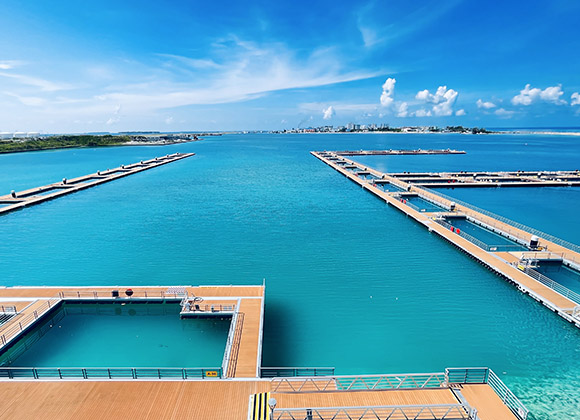
Floating pontoons are incredibly versatile, making them suitable for various applications. From recreational docks to industrial workspaces, floating pontoons can be customized to meet specific needs. Some common uses include:
● Recreational Docks: Floating pontoons offer boat owners a stable platform for launching and docking their boats, ensuring easy access to the water. They are especially useful in areas with fluctuating water levels, providing a reliable space for boating enthusiasts to safely moor their vessels.
● Commercial Platforms: Used in construction and marine industries for temporary workspaces, these pontoons provide a safe and flexible area to conduct activities on the water. They can be customized to support heavy machinery and equipment, making them ideal for projects such as offshore drilling or waterfront construction.
● Residential Floating Homes: Some people use floating pontoons as the foundation for their unique floating homes, combining the allure of waterfront living with sustainability. These pontoons allow for eco-friendly living while offering mobility, letting homeowners enjoy the beauty of water without being tied to a fixed location.
One of the biggest selling points of floating pontoons is how easy they are to install and move. Unlike traditional docks or piers, floating pontoons don’t require complex foundations. They can be anchored to a specific location and easily relocated if necessary. This flexibility makes them a great option for temporary setups, seasonal use, or changing water conditions.
Floating pontoons provide superior stability compared to traditional docks. The buoyant nature of pontoons allows them to adjust to changing water levels, ensuring a safe and level platform at all times. Additionally, the design often includes safety features such as guardrails, non-slip surfaces, and sturdy anchoring systems to keep users safe.
The cost of floating pontoons can be a significant barrier for some potential buyers. While they provide long-term benefits, the initial investment is substantial, particularly for larger or custom pontoons. Homeowners or businesses with a tight budget may find it challenging to justify the expense. However, financing options and modular systems can make them more accessible to a wider range of people.
Floating pontoons, particularly those in saltwater or harsh environments, require regular maintenance to keep them in optimal condition. Periodic cleaning, inspections for signs of wear, and repairs are necessary to ensure they remain functional and safe. Neglecting maintenance can lead to costly repairs down the line.
Maintenance Task | Frequency | Estimated Cost Per Year |
Cleaning | Monthly | $100 - $300 |
Inspection for Wear | Annually | $50 - $150 |
Repairs (Minor/Moderate) | As needed | $200 - $1,000 |
While floating pontoons are highly versatile, they may not be suitable for extreme weather conditions, such as hurricanes or very rough waters. In areas prone to harsh conditions, additional reinforcement may be necessary, which could increase the overall cost and complexity.
For recreational users, floating pontoons offer numerous advantages. They provide a stable platform for boating, fishing, or simply enjoying the water. Many marinas use floating pontoons for boat docks, offering boaters easy access to the water without the need for complex pier installations.
In commercial or industrial settings, floating pontoons can serve as temporary or permanent platforms for various activities. From marine construction projects to offshore oil platforms, floating pontoons offer a stable and flexible foundation for operations on the water. Their modular design allows them to be expanded or moved depending on the project’s needs.
For homeowners looking to maximize their waterfront property, floating pontoons offer unique solutions. Floating docks provide a safe and stable platform for boat access, while floating homes provide a unique living experience on the water. Floating pontoons can even increase property value, as they enhance the appeal of waterfront properties.
The first step in selecting a floating pontoon is determining the space available and the intended use. Smaller pontoons are ideal for personal docks or lightweight applications, while larger pontoons are needed for heavy-duty use, such as industrial platforms or floating homes. Ensure that the pontoon size fits within the available space while providing adequate stability and functionality.
Material selection plays a crucial role in the pontoon’s durability, cost, and environmental impact. Polyethylene is a good choice for smaller recreational pontoons, while concrete or aluminum is better suited for larger platforms or commercial uses. Consider the local environmental conditions, water depth, and intended use before making a decision.
Before installing a floating pontoon, it’s important to check with local authorities regarding regulations. Many regions have specific rules about the size, type, and installation of floating structures. Additionally, water conditions such as tides, waves, and current speeds can influence the suitability of certain pontoons.
Floating pontoons offer significant benefits in terms of versatility, ease of installation, and stability. They provide excellent solutions for recreational, commercial, and residential use, especially in areas where traditional docks or structures are impractical. However, they come with a substantial initial investment and maintenance requirements. For most users, floating pontoons are a worthwhile investment due to their flexibility and long-term durability. However, it’s important to assess your needs, budget, and local conditions before making a final decision. If you’re looking for a stable, customizable solution for waterfront living or activities, floating pontoons are an excellent option. Before committing to a floating pontoon, it’s essential to weigh the pros and cons. Consider your needs, the conditions of your location, and your budget to make the best decision for your situation. Floating pontoons can be a great addition to your property, but ensuring that they align with your long-term goals will help you get the most value from your investment.For more information and to explore the best floating pontoon options, contact Horizon today!

A: A floating pontoon is a structure that floats on water, typically used as a dock, platform, or boat launch. It is designed to remain stable despite fluctuating water levels, offering a versatile solution for recreational, residential, and commercial applications.
A: Floating pontoons are buoyant structures that remain afloat by using materials like polyethylene, concrete, or aluminum. They are anchored to prevent movement, providing a stable platform for various activities like boating, fishing, or even housing.
A: Yes, floating pontoons are worth the investment for many applications. They offer stability, flexibility, and long-term use for water-based activities. Their versatility, ease of installation, and low maintenance make them a valuable addition to waterfront properties and commercial ventures.
A: Floating pontoons offer numerous benefits, including easy installation, enhanced stability on water, and the ability to customize for different needs. They are perfect for boat docks, temporary work platforms, and even floating homes.
A: Floating pontoons, especially those made from polyethylene, are environmentally friendly because they are durable, non-toxic, and recyclable. However, the environmental impact can vary depending on the material used, with concrete pontoons possibly affecting local ecosystems.