
Views: 0 Author: Site Editor Publish Time: 2026-04-03 Origin: Site


It gives a steady place for many things to happen.
It moves easily when the water gets higher or lower.
A floating pontoon is a sealed structure that floats on water. It can move up and down with the water level.
Pontoons are built from materials like aluminum, concrete, and HDPE. Each material has its own good and bad points.
Floating pontoons help keep bridges and docks steady and safe. They work well in places where water levels change often.
You need to check and care for your pontoon often. This helps it last longer and keeps it safe.
Picking the right pontoon type can help you save money. It also makes it easier to use for fun or short-term needs.
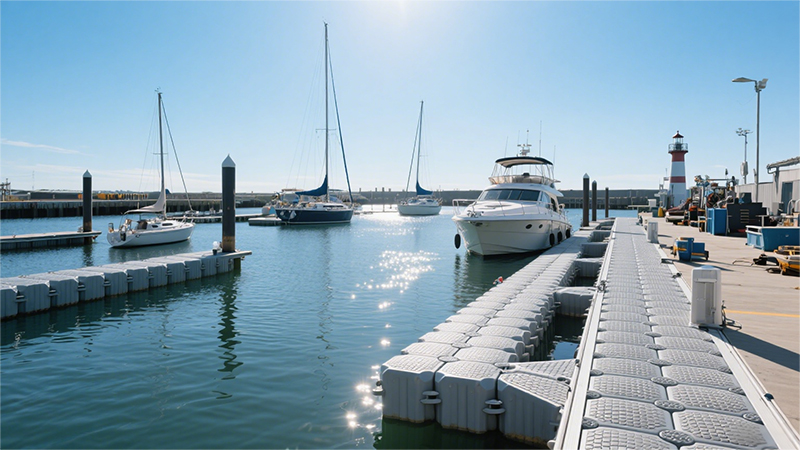
You can think of a floating pontoon as a large, airtight structure that sits on water. It stays afloat because it traps air inside, which makes it buoyant. You often see a floating pontoon used as the main part of a floating bridge. This type of bridge uses many pontoons connected together to support people, vehicles, or equipment. Each pontoon acts like a building block. When you walk on a floating bridge, you step on these pontoons. They keep the bridge steady and safe above the water.
A floating pontoon can be made from different materials. You might see plastic, metal, or concrete pontoons. These materials help the floating bridge last longer and handle different weather conditions. The floating pontoon design allows it to rise and fall with the water. This means the floating bridge stays useful even when the water level changes.
A floating pontoon works by using the principle of buoyancy. The air inside the pontoon pushes against the water, which keeps the pontoon on the surface. When you add weight, like people or vehicles, the pontoon sinks a little but does not go under. The floating bridge uses this idea to support heavy loads. Each pontoon spreads out the weight, so the bridge does not tip or roll.
The stability of a floating bridge depends on how you place the pontoons. If you keep heavy items low in the pontoon, the bridge stays more stable. The shape and width of each pontoon also matter. A wider pontoon helps the floating bridge resist rolling from side to side. Engineers use these ideas to make sure the floating bridge feels safe when you cross it.
Floating bridges adjust to changing water levels. You will notice that the floating bridge rises and falls with the tide or river flow. This happens because the pontoons float on top of the water. The bridge stays at the right height, so you can use it even when the water goes up or down. Marinas, homes, and public areas use floating bridges for easy access, no matter the season.
Tip: When you see a floating bridge, remember that each pontoon works together to keep the bridge steady and level.
A floating pontoon has several important features that make it useful for floating bridges:
Buoyancy: The pontoon floats because it traps air inside. This keeps the floating bridge above water.
Modular design: You can connect many pontoons to make a floating bridge as long or as wide as you need.
Adaptability: The floating bridge moves up and down with the water, so it always stays at the right height.
Stability: Engineers design the pontoon to resist tipping and rolling. They use wide shapes and careful weight placement.
Durability: Modern floating bridges use strong materials like recycled plastics or concrete. Some new pontoons use eco-friendly materials to protect the environment.
Smart technology: Some floating bridges now have sensors and smart systems. These help monitor the bridge and keep it safe.
Quick assembly: You can build or remove a floating bridge quickly. This makes it perfect for temporary needs or emergencies.
Innovative uses: Floating bridges now appear in places like floating villages, eco-resorts, and even stages for concerts.
You will find floating bridges in many places. They help people cross rivers, lakes, and even parts of the ocean. The floating pontoon makes all of this possible by providing a strong, stable base for the bridge.
There are different materials used to make a pontoon. Each one has good and bad points. The material you pick changes how the pontoon floats. It also affects how long it lasts and how much work it needs. Here is a table that lists the most common materials:
Material | Advantages | Disadvantages |
|---|---|---|
Aluminum | Durable, resists rust and UV, lightweight, low upkeep | Higher cost, less rigid in rough water |
HDPE | High buoyancy, impact resistance, eco-friendly | Maintenance can be heavy, needs moisture control |
Wood | Traditional look, easy to work with | Prone to decay, needs regular care |
Steel | Very strong, high load capacity | Heavy, can rust, harder to move |
Concrete | Long-lasting, resists saltwater | Heavy, difficult to install |
You should pick a material that fits your needs. Aluminum pontoons are good for homes and businesses. HDPE pontoons float well and can be changed to fit. Steel pontoons hold a lot of weight and are used for big jobs. Concrete pontoons last a long time in tough places.
The way a pontoon is built helps keep it safe and steady. Most pontoons use more than one wide float. This spreads out the weight and keeps the platform level. Engineers like to use round shapes to stop rocking. This makes it feel better to walk on. Mooring systems, like multi-point mooring, hold the pontoon in place. These work during wind or waves. Anchors, like concrete sinkers, stop the pontoon from drifting away. These features help the pontoon stay still even when the water is rough.
Rules like DNV Rules and ABS tell how pontoons should handle weight. Steel pontoons can carry heavy things. Steel is stronger than polyethylene. You can pick a stiff pontoon for calm water. You can pick a flexible one for wavy places.
You need to think about the weather to keep your pontoon strong. Strong sunlight can hurt some materials if they are not treated. Saltwater makes metal pontoons rust faster. Using UV-stabilized HDPE helps the pontoon last longer. You should check your pontoon every month, especially after storms. Put special coatings on plastic parts each year. Shade covers help stop sun damage. Take your pontoon out of the water and store it during cold winters. This keeps it safe from bad weather. Doing these things helps your pontoon last longer and stay safe.
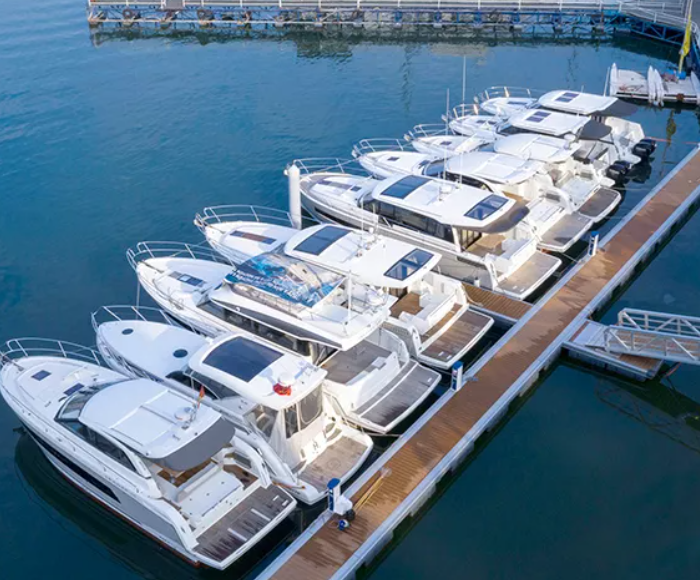
You can find a pontoon used as a dock or platform at many marinas and waterfronts. The surface is wide and steady, so you can walk, load, or unload boats safely. Many people pick a pontoon dock because it goes up and down with the water. This means you can always get to your boat easily. Resorts and tour groups use pontoon platforms for sightseeing, shuttles, and floating restaurants. There are also work platforms made from pontoons. These help workers do building, checking, and fixing jobs on the water.
A floating bridge made with pontoons helps people cross rivers or lakes when they need a fast answer. You might see a temporary pontoon bridge during emergencies, floods, or when building things. Engineers make these bridges in pieces, so they are easy to move. You can put them together quickly and let cars and people cross again. The floating bridge can change to fit different lengths and weights. It works for many jobs. It also costs less than a bridge that stays forever and does not hurt nature as much.
You can set up the bridge fast to reach places in need.
You can change the bridge for different cars and trucks.
It saves money for other important things.
It helps protect the environment.
A pontoon boat lets you have fun on the water in many ways. You can use a pontoon boat for family rides, fishing, or water sports like tubing and wakeboarding. The big deck gives you space for seats, eating, and sunbathing. Many pontoon boats have grills, music players, and swim ladders. These things make a pontoon boat great for parties, picnics, and weekends away. Pontoon boats are steady and safe, so families with kids feel good.
People like to paddleboard, kayak, and jet ski.
Floating bridges can be used for events or as party spots.
Safety rails, seats, and bathrooms make pontoons nice for long visits.
A floating pontoon makes your time on the water more fun, safe, and flexible.
You can put together a pontoon system by following easy steps. First, collect all your tools and materials like a hammer, drill, bolts, and special hardware for water. Next, check how deep the water is and see if you can get to the shore. Draw out where you want the dock to go and make sure it is safe. Line up the pontoon pieces and stack them together. Use fasteners and pins to hold them in place. If you need more space, use couplers to add more sections. Put the pontoon in the water with a winch-assist system. Hold the pontoon still with auger anchors or tie it to something solid. Make sure the pontoon is flat and does not tip. For a pontoon boat dock, check where the floats go and make sure the weight is even. Add cross bracing or spud poles if the water moves fast.
Tip: Use galvanized steel or stainless steel hardware so your pontoon does not rust and stays strong.
You have to take care of your pontoon to keep it safe. Always turn off the power before you start fixing things. Wash the pontoon and look at cables, pulleys, and other parts for damage. Put marine-grade oil on moving parts to stop rust and make them work better. Check the fluid and air in hydraulic systems and air tanks. Change broken parts right away with the right kind. Test the lift system by running it up and down to see if it works well. Look at your pontoon boat for leaks, color changes, and things growing on it. Clean off any plants or animals stuck to the pontoon. Watch for cracks or weak spots, especially in aluminum and steel pontoons. When it gets hot or cold, these materials can get weak at the joints.
You need to follow safety rules to keep everyone safe. Look for slippery spots like wet boards or loose planks. Move things out of the way so people do not trip and can leave quickly if needed. Check the dock floats so the pontoon does not sink. Look at cleats, ropes, and utility lines every day to make sure they are tight. Make sure fire safety gear and flotation devices are ready to use. Keep ladders in good shape and fix any problems. Check electrical and water lines for rust or leaks. Make sure life rings and rescue ladders are easy to see and grab. Rules say you must keep waterways clear and let people use them. Get permits if you build a pontoon boat dock near the coast. Follow local laws and listen to environmental and maritime groups.
It is important to know how a floating pontoon is different from a fixed dock. A floating pontoon can move up and down with the water. This makes it good for places where the water level changes. You can put together a floating bridge fast because the parts fit like blocks. You do not need big machines to build it. You can also move or take apart the pontoon when you want. The floating bridge stays even with the water, so it helps people who have trouble walking. You do not have to fix it much because the pontoon does not get damaged by weather or water as easily.
Here are some good and bad things about floating pontoons:
Advantages of floating pontoon:
Adapts to water level changes
Easy to install and relocate
Low maintenance
Safer and more accessible
Disadvantages of floating pontoon:
Higher material costs
Less stable in rough conditions
Limited size for large projects
May need special permits
A fixed dock uses posts to stay in one spot. It does not move when there are storms. You can make a bigger dock, but it costs more money to build and fix.
Pick a floating pontoon if the water goes up and down or if you only need it for a short time. The floating bridge works well where there are tides, floods, or when the water changes with the seasons. You can use a pontoon at marinas, for parties, or for water sports. Builders use floating bridges to get across water for short jobs.
Scenario Type | Description |
|---|---|
Changing Water Levels | Ideal for locations with tides, floods, or seasonal variations. |
Temporary Setups | Suitable for construction sites or temporary docks. |
Recreational Use | Perfect for marinas, party platforms, or water-based sports. |
Choose a fixed dock if you want something that stays in one place for a long time. Fixed docks are better for big projects and places where the water does not change much.
You should look at how much each one costs and how long it lasts. A floating pontoon usually costs less to put in because you do not need as many parts or workers. The floating bridge saves money on fixing because you can take it out and repair it easily. Fixed docks cost more at first because you need posts and heavy work to build them. You also spend more fixing them because weather and water can break them over time.
Aspect | Floating Docks | Fixed Docks |
|---|---|---|
Initial Installation Cost | Generally lower | Higher |
Long-term Maintenance Cost | Requires less upkeep | More frequent repairs |
A floating pontoon made with galvanized steel can last up to 80 years. The deck part lasts about 25 years. Fixed docks do not last as long because wood and steel posts wear out faster.
You now know that a floating pontoon gives a strong and flexible base for many water jobs. You can use a pontoon for docks, bridges, or fun things on the water. The pontoon goes up and down when the water changes. It also helps keep fish and plants safe.
Floating pontoons are better for nature. They do not need digging or changing the shore when you put them in. This helps protect animals and plants in the water and keeps the environment safe.
You can pick a pontoon for your house, a marina, or a public place. The table below shows how a pontoon is different from a fixed dock:
Feature | Floating Pontoon | Fixed Dock |
|---|---|---|
Adaptability | Adjusts to water levels | Fixed height |
Installation | Easier, less costly | Expensive, slow |
Flexibility | Can be relocated | Cannot be relocated |
You should think about what you need and choose the best pontoon. If you have a special job, ask an expert for help.
You use a floating pontoon to create a stable surface on water. It helps you build docks, bridges, or platforms that move with changing water levels.
Yes, you can use a pontoon in saltwater. You should choose materials like concrete or treated aluminum. These resist rust and last longer in harsh conditions.
Inspection Type | How Often |
|---|---|
Visual Check | Every month |
Deep Cleaning | Every season |
Hardware Check | Once a year |
You should follow this schedule to keep your pontoon safe and strong.