

Views: 0 Author: Site Editor Publish Time: 2026-11-11 Origin: Site


The critical window during a marina fire spans the brief moments between initial ignition and the eventual arrival of municipal fire departments. Because marinas often feature high fuel concentrations, proximity to fiberglass vessels, and significant wind exposure, fires can escalate into uncontrollable infernos within minutes. Relying solely on off-site emergency services is a risky strategy that often leads to catastrophic total-loss events and significant legal liability. A well-designed, fully equipped fire station serves as your most vital frontline defense. This guide provides a comprehensive framework for evaluating, specifying, and configuring a professional-grade system. You will learn the essential components required for compliance, the importance of material selection in corrosive environments, and the strategic placement protocols necessary to protect your assets and stakeholders.
A compliant marina fire hydrant station extends beyond water delivery, functioning as an integrated emergency response hub.
Material selection (e.g., UV-resistant enclosures, rot-proof marine fire hoses) dictates system readiness and lifecycle costs in harsh saltwater/freshwater environments.
Auxiliary components—such as a dockside life ring and fuel spill containment—are mandatory additions for holistic marina fire safety equipment compliance.
Adherence to standards like NFPA 303 (Fire Protection Standard for Marinas and Boatyards) and NFPA 14 governs precise placement, pressure, and testing requirements.
Dockside fires present unique challenges that standard fire protection strategies often fail to address. Marinas pack expensive assets into dense configurations, creating a high-risk environment where wind acts as a force multiplier for flames. When access to these docks is restricted for heavy fire trucks, the burden of initial suppression falls entirely on your site's infrastructure. Evaluating your current setup requires more than just checking for the presence of a hose. You must consider the broader operational requirements, including the capability of your staff to operate the equipment. Are your standpipes configured as wet or dry systems? Regional climate realities dictate this choice, especially in areas prone to freezing temperatures. Proper equipment specification directly correlates to lower insurance premiums and enhanced long-term asset security. By investing in a high-quality Marina Fire Hydrant, you demonstrate a commitment to safety that regulators and insurers clearly recognize.
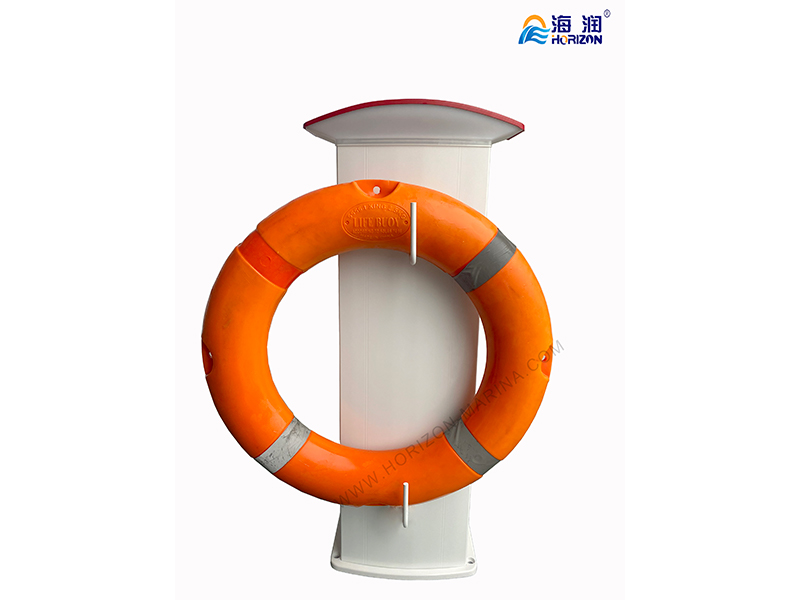
A robust station is much more than a box on a pier. It serves as an integrated response center that must perform reliably under extreme conditions.
Your valve assembly acts as the heart of the system. You should specify high-grade materials like brass or 316 stainless steel to combat salt-air corrosion. Ensure that all threading matches local fire department standards, such as National Standard Thread (NST). Compatibility issues during an emergency waste precious seconds.
Selecting the right Marine Fire Hose is non-negotiable for system longevity. Standard hoses often fail in damp environments. You must choose double-jacketed, synthetic materials that resist rot and mildew. Consider the following criteria when selecting your hose:
Diameter: Typically 1.5 to 2.5 inches for optimal flow.
Length: Must cover the entire dock length plus overlap with adjacent stations.
Lining: Lightweight, ozone-resistant synthetic rubber to prevent internal degradation.
Your nozzle selection dictates how well you control the fire. Industrial-grade polycarbonate or brass nozzles are the gold standard. They should feature adjustable settings to accommodate different fire types, such as a wide-angle fog for cooling adjacent boats or a straight stream to reach deep into an engine room.
The enclosure shields your gear from the elements. While fiberglass is popular, heavy-duty UV-resistant plastics or high-quality coated steel often provide better structural integrity. Your enclosure should be bright, highly visible, and feature quick-access mechanisms to ensure rapid deployment.
Fire suppression is rarely a one-dimensional task. You must stock your stations with a variety of Marina Fire Safety Equipment to handle secondary hazards.
A fire often forces individuals into the water. Every station should house a USCG-approved Dockside Life Ring. Ensure it includes at least 90 feet of buoyant heaving line, allowing for immediate rescue operations without leaving the fire suppression post.
Fires at docks often involve fuel, making Class B suppression critical. Include multi-purpose dry chemical (ABC) or high-capacity foam extinguishers at the base of every station. Furthermore, near fuel docks, you must store absorbent booms and pads. These prevent burning fuel from spreading across the water surface, which is a major environmental and safety hazard.
Emergency Station Component Overview | ||
Component Type | Primary Function | Maintenance Requirement |
|---|---|---|
Hydrant Valve | Water delivery control | Annual exercising |
Fire Hose | Suppression outreach | Hydrostatic testing |
Life Ring | Water rescue | Visual inspection |
Extinguishers | Localized fire control | Monthly pressure check |
Navigating safety codes like NFPA 303 and NFPA 14 ensures your facility meets professional expectations. NFPA 303 specifically outlines fire protection standards for marinas and boatyards, mandating equipment placement and performance.
The general rule is that no point on a dock should be more than 200 feet from a fire station. This distance ensures that your hose reaches the fire before it spreads. You must verify that your system provides enough water pressure and flow rate to maintain effective suppression during peak demand.
In coastal regions, galvanic corrosion is your primary enemy. If you operate in freshwater, prepare for the freeze/thaw cycle. Use stainless steel hardware and ensure that all connections are grounded properly. Equipment will always degrade, but proper material specification significantly slows this process.
Installation is the stage where most marinas encounter friction. Balancing equipment accessibility with ADA compliance or high-traffic cart pathways can be difficult.
Consider mounting stations on pilings to save space. If you must use recessed gangway installations, ensure they remain unobstructed at all times. A clear pathway is just as important as the equipment itself.
In freezing climates, dry standpipe systems are vital. These pipes remain empty until activated by a remote valve. If your climate hits freezing temperatures, implement a rigorous draining protocol to prevent pipe bursts that could render your entire system useless during an emergency.
Never assume that a cabinet that looks clean from the outside contains a functional hose. Hoses can develop dry rot or mold in airtight, humid boxes. Follow this schedule for maximum safety: 1. Monthly: Perform visual checks for structural integrity and cabinet accessibility. 2. Quarterly: Exercise all valves to ensure they do not seize up. 3. Annually: Conduct hydrostatic testing on all hoses to identify pinhole leaks.
A: Per NFPA 303 guidelines, fire stations should be positioned so that no part of the pier or boat is more than 200 feet from a station. This ensures that standard-length hoses can reach a fire anywhere on the dock with enough residual length to maneuver effectively.
A: A marine-grade hose is specifically engineered to resist the harsh conditions of an aquatic environment. They feature synthetic, mildew-resistant jackets and specialized liners that prevent rot when exposed to constant moisture or salt air, unlike standard municipal fire hoses that may degrade quickly in such settings.
A: Yes. In freezing climates, you should use dry standpipe systems. If a system contains standing water, it must be drained before the first freeze to prevent the water from expanding and bursting the pipes. Failure to maintain these systems makes them useless when you need them most.
A: No. While a hose station is essential, fuel docks often require additional, specialized equipment. These areas usually necessitate automated fire suppression systems, high-capacity foam extinguishers, and comprehensive fuel spill containment kits to handle the high risk of flammable liquid fires.