

Views: 0 Author: Site Editor Publish Time: 2026-07-08 Origin: Site


Modern marina engineering is shifting rapidly from traditional fixed timber or steel piles to modular floating systems. Global commercial harbors and premium marinas require infrastructure that adapts to fluctuating water levels and severe weather events. Fixed structures often struggle against rising sea levels and intense wave action. Floating systems offer a dynamic, resilient alternative.
Marina developers, municipal port authorities, and marine engineers face complex decisions regarding asset longevity and climate resilience. Selecting the right materials directly impacts operational uptime. You need infrastructure that survives harsh marine environments while ensuring safe, stable access for vessels and passengers.
This guide provides a comprehensive framework to evaluate, specify, and select the optimal concrete pontoons for your site. You will learn how to assess structural advantages, navigate technical specifications, and tailor configurations to specific marine environments. We will cover essential components, customization options, and procurement strategies to guarantee a successful marina installation.
Heavy-duty floating structures provide superior performance compared to legacy materials. Their inherent physical properties solve many common challenges faced by marina operators. When you build a marina, the foundation dictates the entire facility's lifespan.
A high-mass Concrete pontoon acts as a highly effective natural breakwater. The deep draft and heavy displacement absorb and dampen incoming wave energy. This protects vessels moored inside the marina basin from excessive movement. Engineers calculate wave fetch and period to determine the exact mass required to neutralize incoming swells.
These structures offer exceptional torsional rigidity. They remain stable under heavy passenger footfall or utility vehicle loads. Aluminum or timber docks often flex and bounce under similar stress. Concrete provides a solid, land-like feel that enhances user safety and confidence. The sheer weight prevents the snap-roll effect common in lighter floating docks.
Marine environments destroy weak materials quickly. Concrete resists marine borers, which easily decimate untreated timber. It is entirely immune to electrolysis, a common failure point for aluminum and steel docks in saltwater. You do not need to worry about stray electrical currents eating away at your primary structural supports.
High-quality marine concrete withstands extreme climate variations. It resists UV degradation and performs exceptionally well during freeze-thaw cycles. The heavy mass also handles ice movement better than lightweight alternatives. Ice sheets simply slide against the smooth concrete faces rather than crushing fragile frames.
Structural concrete requires virtually zero maintenance over its lifespan. Legacy materials demand frequent painting, chemical treatments, and hardware replacement. Timber rots and splinters. Steel rusts and requires cathodic protection. Concrete simply stays intact, drastically reducing annual labor and material requirements for marina operators.
Material Type |
Wave Attenuation |
Maintenance Level |
Lifespan Expectancy |
Stability Profile |
|---|---|---|---|---|
Marine Concrete |
Excellent (High Mass) |
Very Low |
30-50+ Years |
Rigid, Land-like |
Aluminum Frame |
Poor (Low Mass) |
Medium (Electrolysis checks) |
15-25 Years |
Flexible, Bouncy |
Treated Timber |
Poor (Low Mass) |
High (Rot, Borers) |
10-15 Years |
Moderate Flex |
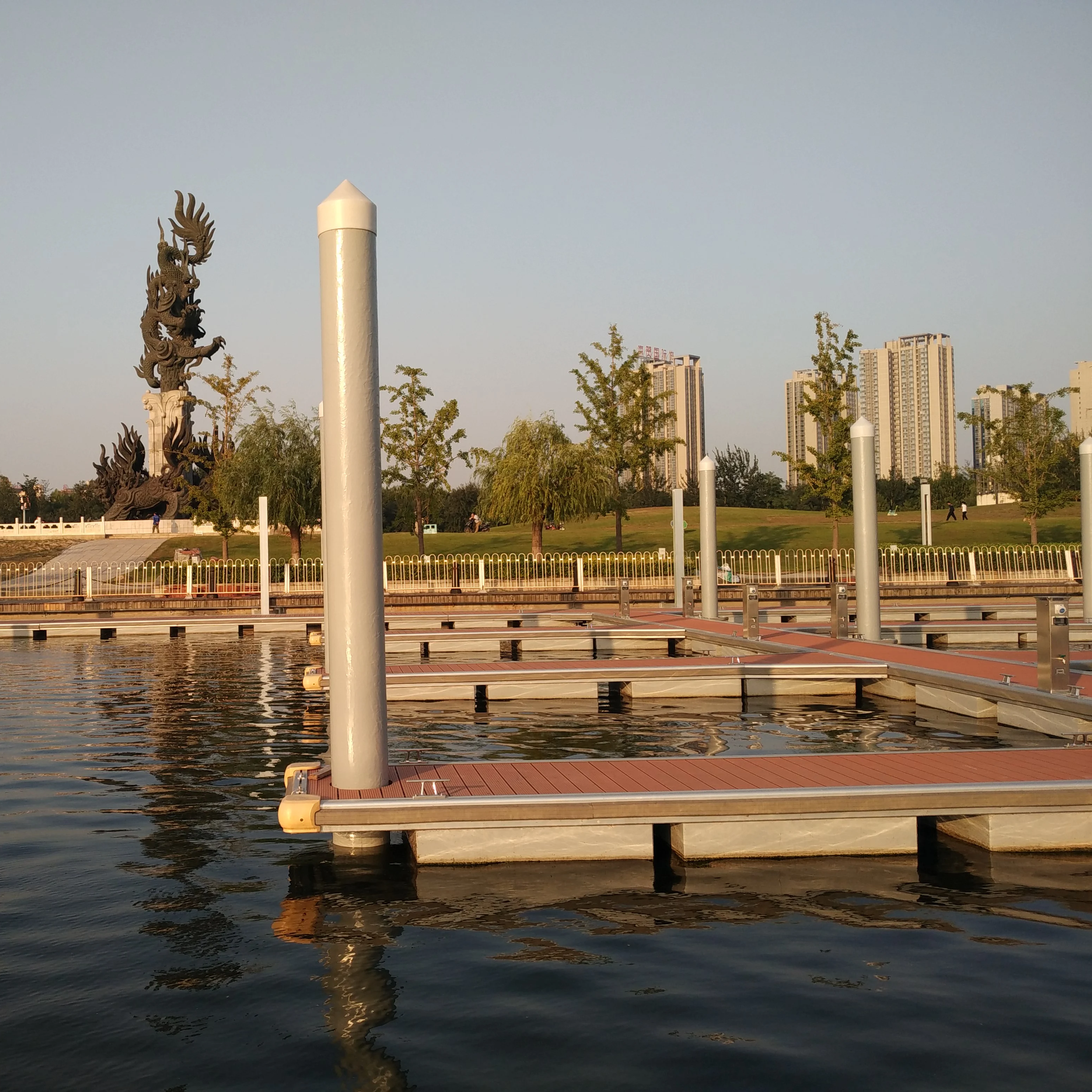
Understanding the internal engineering of these structures ensures you specify the right product for your location. Material quality dictates long-term survival. You must look past the surface finish and examine the structural core.
Marine applications require high-strength, low-permeability concrete. Engineers typically specify C45/55 grade mixtures or higher. This density prevents saltwater intrusion, which causes internal corrosion. The water-to-cement ratio must remain strictly controlled during the casting process to eliminate microscopic voids.
Reinforcement materials must resist rust. Manufacturers use hot-dip galvanized steel, marine-grade stainless steel, or non-corrosive fiber reinforced polymer (FRP). Proper reinforcement prevents internal spalling and maintains structural integrity under heavy loads. Rebar spacing must adhere strictly to marine engineering codes to ensure adequate concrete cover.
The core design guarantees buoyancy. Manufacturers fill the internal void with high-density Expanded Polystyrene (EPS) blocks. This creates an unsinkable structure. The EPS foam must meet specific density requirements, usually around 15-20 kg/m³, to prevent water absorption over decades of submersion.
Even if a severe impact breaches the external concrete shell, the EPS core retains its buoyancy. The pontoon will not sink. This fail-safe mechanism is crucial for commercial harbors and public access points. Water cannot displace the closed-cell foam structure.
Engineers calculate required freeboard heights based on the intended use. Recreational marinas typically need lower freeboards. Commercial ferry terminals require higher freeboards to match vessel deck heights. You must determine load distribution capacities carefully.
Calculate dead loads, including the weight of the concrete, reinforcement, and permanent fixtures.
Determine live loads, accounting for maximum pedestrian traffic, utility vehicles, and snow accumulation.
Assess dynamic loads from wave action, wind pressure, and vessel impact during docking maneuvers.
Specify the required draft and freeboard to maintain stability under the combined maximum load scenarios.
A floating dock is only as strong as its weakest connection. Proper anchoring and joining systems prevent catastrophic failures during storms. The hardware must match the durability of the concrete.
Rigid connections fail in dynamic water. Wave action creates immense shear forces and bending moments. Connectors must absorb these torsional stresses without transferring them to the concrete shell. If the joints do not flex, the concrete will crack under the strain.
Specify heavy-duty rubber-bolt connectors for standard applications. Use stainless steel tension rods and polyurethane buffer blocks for high-energy environments. These flexible joints allow the modular units to move independently while remaining securely attached. The rubber blocks compress to absorb shock loads.
Mooring systems keep the marina in place. The right choice depends on water depth, tidal range, and seabed conditions. A site survey dictates the final engineering design.
Elastic mooring systems stretch and retract with the tide. They are ideal for sensitive ecosystems where dragging chains would damage the seabed.
Chain and concrete anchor blocks represent the traditional, heavy-duty setup. It works best in deep-water harbors with muddy or sandy bottoms.
Internal and external pile guides secure the pontoons to driven steel or concrete guide piles. They restrict lateral movement while allowing vertical travel with water levels.
Helical anchors provide immense holding power in clay or dense sand, connecting to the dock via tensioned synthetic lines.
Different vessels require different docking solutions. You must match the pontoon design to the operational requirements of the facility. A one-size-fits-all approach leads to operational inefficiencies.
Recreational marinas focus on accessibility and efficient space usage. Optimal widths range from 2.5 to 4 meters. Lengths vary based on the basin layout. The design prioritizes safe pedestrian flow and easy access to utility pedestals.
Standard freeboard heights sit between 0.5m and 0.6m. This provides safe, easy boarding for small to medium-sized sailboats and motor cruisers. The deck surface usually features a standard broom finish for slip resistance.
Commercial applications demand robust engineering. Ferry terminals, superyacht berths, and industrial marine construction projects require significant design alterations. The sheer mass of commercial vessels generates massive kinetic energy during docking.
These units feature increased wall thickness and heavily reinforced corners. They integrate high-impact fendering systems to absorb the kinetic energy of large vessels docking repeatedly. The internal EPS core often utilizes a higher density foam to support heavier live loads.
Fueling stations present unique hazards. A dedicated Fuel pontoon requires strict engineering considerations to prevent spills and fires. You cannot simply repurpose a standard dock for fuel operations.
These structures must integrate containment sumps to catch accidental drips. They use flame-retardant materials and feature heavy-duty utility channels specifically for fuel delivery lines. Strict environmental compliance and static electricity grounding protocols are mandatory for safe operation. The concrete mix often includes specialized additives to resist chemical degradation from hydrocarbon spills.
Modern marinas offer full services to boaters. Integrating these utilities safely into a floating structure requires careful planning. Retrofitting utilities later compromises the structural integrity.
Surface-mounted cables are dangerous and unsightly. Specify continuous, accessible dry ducts cast directly into the concrete. These channels must feature removable covers for easy maintenance access.
These raceways house water pipes, electrical cables, fiber optics, and pump-out lines. Internal routing prevents utility damage from saltwater exposure, UV light, and operational wear. It also eliminates trip hazards on the main walking surface.
The walking surface must be safe and visually appealing. Bare concrete requires a non-slip texture, usually achieved with a broom finish or patterned molds. The finish must provide traction even when covered in algae or frost.
Many premium marinas opt for aesthetic upgrades. You can integrate composite timber, exotic hardwoods, or composite grating overlays directly onto the concrete deck. This provides a high-end look while maintaining the structural benefits below. The decking fastens to cast-in stainless steel rails.
Protecting both the dock and the boats is critical. Choose fendering options carefully. D-fenders, wooden rubbing strips, and heavy-duty elastomeric profiles absorb impacts effectively. The fendering must match the profile of the expected vessel traffic.
Cleats, bollards, and safety ladders must be anchored securely. Engineers must calculate pull-out resistance to ensure the cast-in anchoring points can handle the strain of heavy vessels pulling against them during storms. Through-bolting with heavy backing plates is standard practice for commercial bollards.
Financial planning for marine infrastructure requires looking beyond the initial construction phase. Long-term operational savings often justify higher upfront investments. You must evaluate the entire lifecycle of the facility.
Modular floating systems often present favorable upfront costs compared to driving fixed piles, especially in deep water or hard bedrock conditions. Pre-cast construction offers significant logistical efficiencies. You avoid the massive mobilization costs associated with heavy marine pile-driving barges.
Manufacturing occurs in controlled factory environments. This ensures consistent quality and reduces weather delays. Shipping and installation are streamlined, as the modular units are simply floated into position and connected. The rapid installation minimizes downtime for existing marina operations.
Operational expenditure dictates the true financial impact of a marina. Legacy materials require constant upkeep. You must replace rotting wood, treat rusting steel, and tighten loose fasteners annually. These recurring maintenance tasks drain operational budgets and require dedicated staff.
Concrete systems eliminate these recurring expenses. The lower maintenance requirements yield a superior long-term return on investment. Marina operators can allocate funds to facility improvements rather than endless dock repairs. The structural longevity ensures the asset continues generating revenue for decades without requiring major overhauls.
Selecting the right manufacturer guarantees project success. Use a structured evaluation process to vet potential suppliers. Do not base your decision solely on the initial bid.
Verify manufacturing certifications immediately. Look for ISO 9001 compliance and adherence to structural design codes like Eurocode or local marine standards. The casting facility must demonstrate strict quality control over concrete batching and curing processes.
Assess the provider's track record. Ask for case studies of custom engineering projects. Ensure they have experience designing for site-specific wave climates similar to your location. Request references from marina operators who have used their products for over ten years.
Heavy pre-cast units present logistical challenges. Evaluate transportation constraints early. Determine if road transport is feasible or if water delivery is required. Check local bridge weight limits and highway width restrictions.
Plan for on-site crane capacities and launching facilities. Ensure the manufacturer provides or coordinates with specialized marine installation crews who understand the nuances of floating infrastructure. The installation team must know how to tension mooring chains correctly.
Provide accurate data to your manufacturer. This ensures the final product matches your environment. Collect the following information before requesting engineering drawings:
Comprehensive wave height and frequency analysis from a certified coastal engineer.
Maximum wind load calculations based on historical storm data.
Tidal range variations and maximum current velocity data.
A detailed seabed geotechnical profile for anchoring design.
Bathymetric surveys detailing exact water depths throughout the proposed basin.
Transitioning to floating concrete infrastructure secures the future of your marina. Follow these actionable steps to begin your project.
Hire a coastal engineer to conduct a thorough wave and wind analysis of your specific marina site.
Calculate the exact live and dead load requirements based on your expected vessel traffic and utility needs.
Select a mooring system that matches your seabed geotechnical profile and tidal fluctuations.
Audit potential manufacturers based on their engineering certifications, concrete mix designs, and past project durability.
A: High-quality marine concrete structures routinely exceed 30 to 50 years of service life. Proper initial engineering and high-density concrete mixes prevent internal corrosion, ensuring decades of stability with minimal maintenance.
A: Yes. The high mass and specialized low-permeability concrete mix resist freeze-thaw damage. The heavy displacement allows the structure to withstand surface ice pressure far better than lightweight timber or aluminum docks.
A: The internal core is filled with high-density Expanded Polystyrene (EPS) blocks. Even if the outer shell suffers a severe impact and cracks, the EPS core retains full buoyancy, making the structure unsinkable.
A: Yes. Utilities are routed through continuous, dry internal ducts cast directly into the concrete. This protects electrical cables and water lines from saltwater exposure, UV degradation, and physical damage from dock activity.
A: Cleats and bollards are secured using cast-in stainless steel anchoring points. Engineers calculate specific pull-out resistance loads during the design phase to ensure the hardware can safely hold heavy commercial vessels or superyachts.